
Should You Take Antibiotics? Here Are 10 Pros And Cons
Antibiotics are widely used to treat infections caused by bacteria. Each year, over 150 million antibiotic prescriptions are written in the US. (1)
Although antibiotics help to save millions of lives, they can also cause side effects and lead to antibiotic resistance. It is estimated that around 30% of antibiotics, or 47 million prescriptions, are prescribed unnecessarily in doctors’ offices and emergency departments in the United States. (2)
Besides the well-known side effects associated with antibiotics (digestive problems, diarrhea, etc.), they may also have a detrimental long-term effect on your immune system.
This is why you should always make sure that your doctor is prescribing antibiotics for a good reason. Are they really necessary? Taking antibiotics can lead to a weakened immune system and contribute to gut imbalances like Candida overgrowth. Sometimes, a period of rest and a healthy diet will work just as well.
Table Of Contents
What Are Antibiotics?
An antibiotic is a substance that kills bacteria or slows their growth. They are typically used as medicine to treat diseases caused by bacteria. Antibiotics work in different ways, such as destroying the bacteria’s cell wall or preventing bacteria from producing protein or reproducing.
Before the discovery of antibiotics, people succumbed to simple bacterial infections which evolved into sepsis. The first antibiotic discovered was Penicillin, and it was derived from a natural substance produced by a fungus. Shortly after, antibiotics became commercially available in the 1940s and significantly increased life expectancy, as well as the success rate of most surgeries.
It is important to note that only bacterial infections can be killed with antibiotics. They do not work on viruses or fungi, and cannot be used to treat conditions such as the flu, the common cold, and most coughs and sore throats.
4 Reasons To Take Antibiotics
There’s no doubt that antibiotics are one of mankind’s greatest discoveries. Before we look at the disadvantages of using them (and some natural alternatives), let’s take a look at why they can be so helpful.
- They are effective against bacterial infections
Taking antibiotics is effective in slowing the growth and killing of many types of bacterial infections which could pose serious risks to your health. Sometimes, taking antibiotics is the only effective means of treating certain types of life-threatening infections, such as pneumonia, and sepsis. - They work fast
One of the main advantages of antibiotics is that they start working right after you take them. Although you may not feel better for several days after you start taking them, most antibiotics start killing bacteria almost immediately after you take them. - They can prevent infections
Antibiotics are necessary for people who are at high risk for developing infections. Individuals who are at a high risk of developing life-threatening infections include patients undergoing surgery, patients with end-stage kidney disease, or patients receiving treatment for cancer (chemotherapy). - They are easy to use
Antibiotics some in several common forms, including capsules, tablets, liquids, creams and ointments. They are typically easy to use and are often prescribed orally, but your doctor may decide to give you an injection if it is necessary that the medicine gets into your system quickly.
6 Reasons To Avoid Taking Antibiotics
1. Antibiotics are overprescribed
Antibiotics can be necessary for treating certain infections caused by bacteria, but there are also many bacterial infections which can get better without antibiotics. For example, antibiotics are not needed for many sinus infections and some ear infections. Many other infections are caused by viruses or fungi like Candida albicans. When antibiotics are not necessary but are prescribed, they could cause harm with their side effects. (3)
2. Antibiotics can be harmful for the digestive system
The human digestive system contains several pounds of living bacterial species, referred to as gut floraor gut microbiota.In fact, the gut microbiota has the largest numbers of bacteria and the greatest number of species compared to other areas of the body. (4)
Many of these bacteria are essential for digestion and metabolism, and also form a protective barrier against other harmful bacteria, viruses, or fungi.
Unfortunately, antibiotics do not discriminate between “good” and “bad” bacteria, and often kill the beneficial bacteria living in the digestive system. Some of the common side effects due to antibiotics destroying the “good” bacteria in your gut include:
- Nausea
- Diarrhea
- Abdominal pain
- Indigestion
- Vomiting
- Loss of appetite
- Bloating (5)
While antibiotics will certainly kill various pathogens and disease-causing bacteria, they will also destroy the ‘good bacteria’ in your gut. These bacteria form an indispensable part of your immune system. These bacteria, known as the microbiome, form one of your first lines of defense against disease.When antibiotics change the composition of your gut flora, you lose an important part of your immunity. You should try to keep them if you can!
Antibiotics kill the very microorganisms that are prevent the overgrowth of pathogens like Candida. Ordinarily, Candida albicans has to fight with other bacteria for space and nutrients in your gut. When you destroy those other bacteria, the Candida yeast cells have the space and nutrients they need to multiply and. Indeed, antibiotics are probably the most common cause of an intestinal Candida overgrowth.
3. Antibiotics can cause weight gain
The trillions of bacteria in the gut plan an important role in regulating metabolism. Interestingly, obesity is linked with decreased gut microbial diversity. (6)
Since antibiotics kill bacteria in the digestive system, they cause significant changes in the composition of gut microflora. According to scientific studies, this can cause weight gain, and prolonged antibiotic use is associated with obesity. (7)
4. Antibiotics can weaken the immune system
Typically, antibiotics work together with our immune systems to fight bacteria. However, new scientific studies show that one of the potential side effects caused by antibiotics is weakening the immune system. (8)
Researchers found that antibiotics can reduce the ability of immune cells to kill bacteria. It was also shown that antibiotics are capable of remodeling the biochemical environment of the cell, which is not always a good thing, because the newly created environment can actually protect the harmful bacteria. Weak immune system function can put us at risk of other pathogens, such as viruses and fungi like Candida albicans.
5. Antibiotic resistance
Antibiotic resistance is what happens when bacteria develop the ability to survive exposure to antibiotics which were designed to kill them or stop their growth.
Bacteria are able to achieve antibiotic resistance by changing their genetic material, and it helps them survive and grow even during antibiotic treatment. The overuse and over-prescription of antibiotics in the recent years has played a major role in increasing the prevalence of antibiotic resistant bacteria.
Each year in the U.S., at least 2 million people get an antibiotic-resistant infection, and at least 23,000 people die as the result. (9,10)
According to World Health Organization(WHO), antibiotic resistance is one of the biggest threats to global health, food security, and development today. (X)
Bacteria which develop resistance to antibiotics can grow and multiply freely within the body, even when treated with antibiotics. This makes it extremely difficult to treat infectious diseases because, due to antibiotic resistance, certain antibiotics can no longer be used to successfully treat infections.
6. Other side effects and allergic reactions
In addition to digestive side effects, as well as increased risk of weight gain and weakened immune system, antibiotics can also cause a wide range of other side effects. The side effects of antibiotics can range from mild allergic reactions to severe and debilitating (or life-threatening) adverse events. (11)
Although the side effects of antibiotics can be extremely variable from patient to patient and also depend on the type of antibiotics used, the following side effects are often observed:
- Skin rashes
- Headache
- Digestive problems
- Hypersensitivity (allergic reactions)
- Vaginal candidiasis (yeast infections)
Around 1 in 15 people have an allergic reaction to antibiotics, especially to penicillin and cephalosporins. Often, the allergic reactions to antibiotics result in the following symptoms:
- Rashes and hives
- Coughing
- Wheezing (12)
Typically, these allergic reactions can be successfully resolved by taking antihistamines. However, in very rare cases, antibiotics can cause a life-threatening allergic reaction called anaphylaxis. This is a medical emergency and needs to be treated right away. Anaphylaxis has the following symptoms:
- Breathing difficulties
- Tightness in the throat
- Rapid heartbeat
- Dizziness and confusion
- Sudden drop in blood pressure
- Falling unconscious (13)
How Can We Prevent Antibiotic Resistance?
According to experts at WHO, antibiotic resistance is rising to dangerously high levels in all parts of the world. Bacteria are evolving, and developing new resistance mechanisms. (14)
These super-bacteria are spreading throughout the world, and threatening health professionals’ ability to treat the most common infectious diseases. Increasing antibiotic resistance means that infectious diseases such as pneumonia, tuberculosis, and food-borne diseases, are becoming more difficult and sometimes impossible to treat.
Here are some tips that you can follow to prevent the spread of antibiotic resistance.
- Only use the antibiotics prescribed to you by your health practitioner.
- Never demand antibiotics from your doctor if he/she says you do not need them.
- Never share your antibiotics with others
- Never use antibiotics which were prescribed to others.
- When taking antibiotics, always follow the instructions provided by your health care practitioner.
- Never take leftover antibiotics for a later illness.
3 Ways To Minimize The Harmful Effects Of Antibiotics
- Take antibiotics exactly as directed
It is important to follow your health practitioner’s instructions when taking prescription antibiotics. Some antibiotics need to be taken with water, while others need to be taken together with food (which will help to prevent upset stomach and diarrhea). Some antibiotics can make your skin very sensitive to the sun, so you will need to make sure to stay out of direct sunlight while taking them. - Avoid drinking alcohol
It is generally recommended to abstain from alcohol when taking antibiotics. Although not all antibiotics interact with alcohol, alcohol and antibiotics can sometimes produce the same effects, such as dizziness and nausea. When consumed with antibiotics, alcohol can increase the severity of side effects. Therefore, it is best to avoid alcohol altogether when taking antibiotics. (15) There are other reasons to avoid alcohol too. It can weaken your immune system, affect your mood, lower your energy levels, and impact your sleep. - Take a probiotic supplement
Probiotics are beneficial bacteria which could help to maintain digestive health and boost the immune system. Probiotics can be taken as a dietary supplement or from food sources, such as yogurt. When taking antibiotics, the bacterial balance in the gut becomes unbalanced with unhealthy levels of certain bacteria, and taking probiotics can help to restore the balance. (16, 17) Look for a probiotic supplement that contains at least 10 billion CFUs, some of the best researched strains like L. acidophilus, and that doesn’t contain any ingredients that might irritate your gut. It should also have a system for getting those bacteria past your stomach acid. Here is a good example.
3 Easy Ways To Minimize Antibiotic Use
The overuse and misuse of antibiotics not only contributes to antibiotic resistance, but can cause more harm than good to your body. Here are some effective ways to minimize antibiotic use:
1. Only use antibiotics for bacterial infections
Antibiotics only treat bacterial infections, and should not be taken for viral infections. For example, an antibiotic is an effective treatment for strep throat, which is caused by a bacterial infection of Streptococcus pyogenes. However, most sore throats are caused by viruses, and antibiotics will be an ineffective treatment in this case. Here are some other common infections which are caused by viruses or fungi and which cannot be treated by antibiotics:
- Flu (influenza)
- Stomach flu
- Common cold
- Most coughs
- Bronchitis
- Some sinus infections
- Some ear infections
- Yeast infections (various types of Candida infection)
- Athlete’s foot (18)
2. Practice good hygiene
Hand washing is a very effective strategy in preventing the spread of bacterial infections. Practicing good hygiene is also necessary when preparing food, and includes separating the raw and cooked ingredients, cooking food thoroughly and at safe temperatures. (19)
Avoiding contact with sick people and practicing safe sex are also important strategies to prevent bacterial infections.
3. Maintain a healthy lifestyle
Having a healthy lifestyle, which includes getting regular exercise, following a balanced diet, and getting adequate amounts of sleep, is necessary to maintain optimal immune function and prevent bacterial infections. High levels of stress can also weaken the immune and digestive systems and increase your susceptibility to infections.
If you’re sick, you might find that you recover by simply taking a few days off work, resting, drinking lots of water, and eating a healthy, low sugar diet. If you can recover from your bacterial infection without needing to take antibiotics, your gut will thank you!
4 Ways To Maintain A Healthy Immune System
Your immune system does the important job of defending your body against disease-causing microorganisms, including bacteria. Having an optimally-functioning immune system is important in preventing infections. Here are some tips to maintain healthy immune system function:
- Maintain a healthy body weight
Body mass index (BMI) is a measure which takes into consideration a person’s height and weight to approximate the total amount of fat in the body. A BMI of 18-24 is considered to be healthy, while a BMI of 25 and above is considered to be overweight. Being overweight is associated with many diseases, and weakened immune system function. - Do not smoke
Smoke from tobacco combustion contains numerous harmful chemicals, and cigarette smoking is not only linked to cancer and many other diseases, but is also associated with weakened immune system function. (20) - Limit alcohol consumption
Like smoking cigarettes, consumption of alcohol is also known to cause many diseases. Scientific research shows that the consumption of alcohol destroys immune cells and increases individuals’ susceptibility to bacterial infections such as pneumonia. (21) - Supplements to improve immunity
We’ve already mentioned probiotics, which are a valuable tool to improve gut health and overall immune function. Other good options for boosting immunity are echinacea and reishi mushrooms.
Conclusion
Antibiotics are very effective at killing bacteria responsible for many kinds of infections. While they can cure many serious illnesses and save lives, antibiotics aren’t without problems. The over-prescription and overuse of antibiotics played a major role in the development of dangerous drug-resistant bacteria which no longer respond to antibiotic treatment.
Moreover, even appropriately prescribed antibiotics have the risk of causing unpleasant symptoms, and potentially leading to forms of gut dysbiosis like Candida overgrowth.
Fortunately, there are many steps you can take to prevent infection and to reduce the risk of side effects when taking antibiotics. Probiotic supplements are a good example – they can eliminate the digestive side effects of antibiotics, and even stop you from getting sick in the first place. Consider taking probiotics before, during, and after your antibiotic treatment.
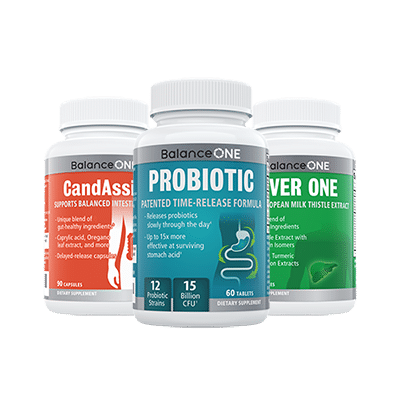
3-Month Candida Elimination Kit Start Your 3-month Candida Cleanse
This Candida Kit contains all the supplements recommended on the Candida Diet:
- LIVER ONE to process and remove the toxins created by Candida.
- CANDASSIST to inhibit and weaken the Candida colonies in your gut.
- PROBIOTIC to replace the Candida yeast with probiotic bacteria.
Plus... the CANDIDA DIET RECIPE BOOK with 50+ low-sugar recipes
When suffering from a UTI, taking 1/2 tsp of d-Mannose powder (mixed in water) every 2-3 waking hours is a sure cure. The d-Mannose washes the bacteria from the wall of the bladder and doesn’t bother the good bacteria. It works every time.
I suffer from chronic UTI’s and just learned about D-Mannose. While it relieved my symptoms dramatically, my recent UTI was already too far gone. I had terrible back pain, blood in urine, and a fever. I had no choice but to take antibiotics, unfortunately. Now that I know about D-Mannose, I’m going to take it every day for preventative measures, and aggressively at the first sign of a UTI. I feel like every woman who has had a UTI should know about this stuff.
If laboratory studies are showing natural antibiotics to be as effective as prescription antibiotics wouldn’t they too have the abilitly to kill the ‘good bacteria’ as well as pathogens and disease-causing bacteria??? Although I do appreciate how the chemicals used in prescription antibiotics are very toxic to our bodies.
Not to mention the fact that our bodies build up a resistence to antibiotics. My cousin is a physician and he said they are over prescribed and one should only take them when one has a serious infection. He said that is were abuse them in our early years when we are older and we really need them when are bodies are weaker, they might not work as effective because of the resistence our bodies have developed due to the overuse.
The body does not become resistant… it is the bacteria that does. You can never take an antibiotic your whole life but still get MRSA, for example.
Fecal transplants are shown to be 98% effective immediately.
Over the Christmas holidays I had a sinus infection. I was prescribed antibiotics and not knowing any better, took them as told. When I went back to my naturopth dr, she told me about how they kill off the ‘good bacteria’ I had been restoring by taking probiotics everyday. I will definately look into using oregano oil and other things if I get sick again.
I had a severe sore throat for two days prior to going to the doctor. My doctor was on vacation so I was assigned another doctor who did a strep test that came back negative. He said it was viral. Five days later my throat was still hurting. My doctor was still on vaca so I was assigned to another doctor. This doctor did not do any tests, but still prescribed 875 mg of amoxicillin 2 x day for 10 days. W/in five days I became very ill. I could not swallow, I developed a yeast infection in my throat and larynx, a harsh cough, headache and a severe lack of appetite. I became breathless and fatigued easily. All of this happened in March 2013. Since then, I have lost 35 lbs. I had an endoscopy and was told I have a small hiatel hernia and Barett’s Esophagus. I’m 59 years old & up until taking the amox, I was in very good health. I have never had any problems with my digestion other than occasional heartburn. I wss prescribed Omeprazole 40 mg 2 x daily which has helped with most of the symptoms. However, I still have no appetite and I have to force myself to eat. I’m still losing weight.I have a difficult time swallowing and I constantly feel as if something is stuck in my throat. I tire easily and continue to have headaches. Have I developed Candida caused by taking the antibiotics?
Antibiotics are one of the main causes of Candida, but unfortunately doctors prescribe them far too often. The good news is that you can recover, but to do so you will need to restrict the sugar in your diet and take some good antifungals and probiotics.
I’m currently suffering from candida overgrowth after a course of heavy antibiotics 4 months ago. I’ve recently had a stool test and I have campylobacter bacteria in my guts and was wondering, in your opinion, the best way to treat this without antibiotics because that will flare up my candida symptoms. Is it possible that the link between the bacteria and the candida fungus is making my overall candida problem more stubborn? I’m currently treating my issue with your diet plan; is there any foods in particular you would recommend for the bacteria? any help would be much appreciated,ive been struggeling with this for too long thank you
My dogs are the ones who’ve gotten more antibiotics then I would like for various infections, surgeries, etc. I always make sure to give them probiotics afterwards but this time surprisingly, the vet actually gave me some!
Commercial meats are loaded in antibiotics as well as commercial dairy. So if you are not having these in organic then you are getting antibiotics everyday without even realizing it.