
How To Use Garlic For Candida and Yeast Infections
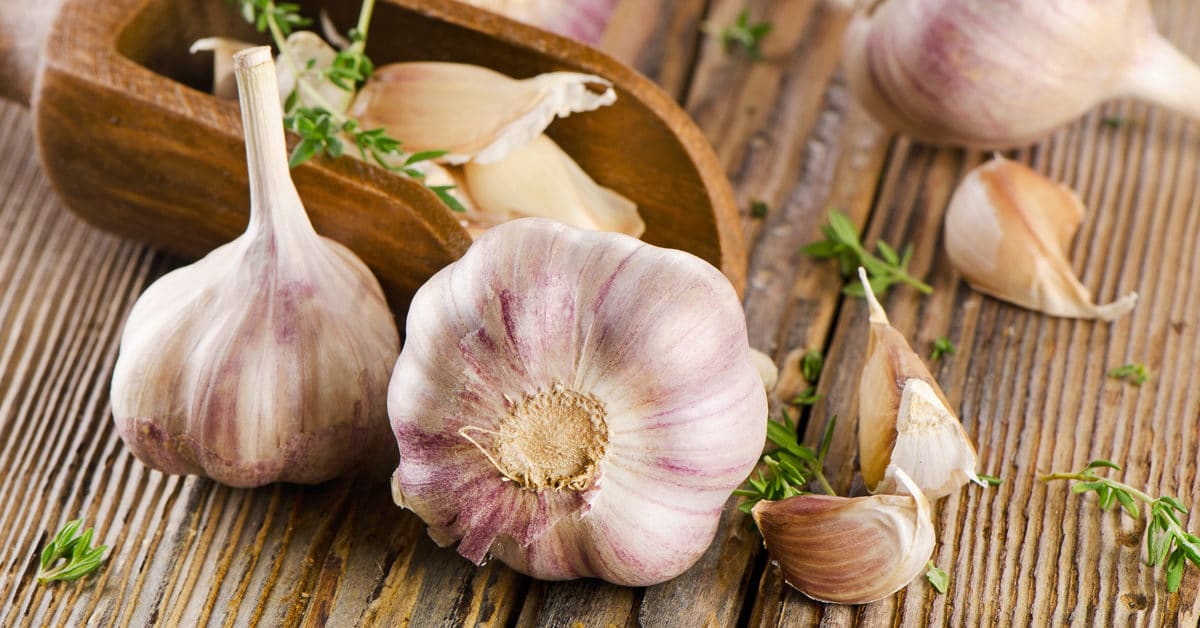
Garlic is so much more than a culinary treat! One of the most powerful antifungals known to man, garlic has been used for centuries to treat everything from skin diseases to parasites. Numerous research studies have shown garlic to be an effective treatment for yeast and fungal infections, especially Candida overgrowth.
Not only that, garlic is a proven immune-booster and active detoxifier. It can reduce cholesterol and help to control your blood sugar levels. And best of all, garlic is a delicious addition to your diet!
Table Of Contents
How Does Garlic Help With Candida Overgrowth?
Garlic is one of the world’s most-researched herbs. There’s a massive amount of scientific evidence supporting its use as an antifungal. Much of this research is focused on Candida and similar pathogenic organisms.
One of garlic’s most important antifungal agents is Ajoene, an organosulfur compound that has been shown to kill off a variety of fungal infections.
Ajoene is formed from a compound named allicin and an enzyme named allinase. When garlic is chopped or crushed, allicin and allinase come together to form the powerful antimicrobial agent ajoene.
Various studies have found ajoene to have the strongest activity of all garlic compounds in inhibiting the growth of Candida albicans. Another study found that garlic markedly inhibited the growth of Candida albicans when the samples of the disease were treated with aqueous garlic extract. Garlic has clear anticandidal activity, with the power to halt the growth and spread of Candida albicans. (1, 2, 3, 4)
Although ajoene’s antifungal properties are well-documented, its exact mechanisms of action are not so clear. As with other antifungals, scientists hypothesize that ajoene works by disrupting the cells walls of the Candida yeast cells and thus preventing them from functioning properly. There is also evidence that garlic can dispute Candida biofilms. (5)
When To Take Garlic
Taking two or three antifungals at any one time will help to prevent Candida from adapting to a single ingredient. Garlic works well when used in combination with other natural antifungals like caprylic acid or oregano oil.
If you’re also taking a probiotic for Candida, you should try to take it at least an hour away from garlic supplements or any other antifungal. This is because garlic, along with many other antifungals, also has some antibiotic properties. Taking it at the same time as your probiotic can reduce the effectiveness of those good bacteria.
It’s easy to add garlic to your meals, and you can do it at any point during your anti-Candida diet.
Here are some delicious Candida diet recipes that use garlic:
Leek And Roasted Garlic Focaccia Bread
Vegan Cauliflower Curry
Moroccan Stir Fry
Buffalo Cauliflower Florets
Tasty Salmon Bowl With Arugula Dressing
If you are following the program we recommend, you will see that probiotics are introduced first, then antifungals a short while later. This is to make sure that not too much of the Candida is killed off at once. Rapid changes in your gut flora can lead to Candida Die-Off, when your detoxification pathways become overloaded. It’s best to take it slow and introduce new elements to your treatment one at a time.
Other Benefits of Garlic
Garlic’s high nutrient content and many active properties mean that it also:
- Boosts the immune system
- Fights bacteria, viruses, and yeast like Candida albicans
- Reduces ‘bad’ cholesterol levels in the blood
- Reduces inflammation
- Reduces blood pressure
- Fights free radicals that cause disease
- Improves athletic performance
- Aids detoxification
- Improves the nutritional content (and taste) of food without adding calories (6)
How Do You Take Garlic?
The wonderful thing about garlic is that it makes for a tasty addition to so many foods! Fresh garlic makes a tasty addition to any savory meal, especially meat and vegetable dishes. In this way, garlic is a fantastic way to complement your treatment plan without spending more money on supplements.
You’ll find a variety of garlic products in your supermarket or health store, from fresh cloves to more convenient forms such as garlic paste, garlic flakes, or garlic powder. Garlic oil also makes for a healthy and delicious dressing.
When using garlic in cooking, it’s important to remember that “less is more” – that is, the less you cook it, the more of its active ingredients it will retain. However, not everybody can tolerate raw garlic! If cooking garlic, a good rule of thumb is to cook it for less than five minutes.
Garlic should also be eaten with some form of fat, such as a healthy cooking oil or cold-pressed oil. This helps prevent the garlic from burning sensitive mucous membranes. Choose a cooking oil with a high smoke point but also high in unsaturated fats, such as olive or coconut oil. If using garlic in salads, try a delicious avocado oil or chia seed oil.
Of course, if you don’t like the taste of garlic at all, you may prefer to take it in tablet or capsule form. These are readily available in good health stores. As explained above, it’s wise to take a variety of antifungals at the same time to get best results and prevent the Candida yeast from adapting to the treatment.
Another helpful tip is to chew parsley after eating garlic – it’ll help reduce your ‘garlic breath’!
CandAssist
Garlic is one of my top recommendations for antifungal herbs, along with berberine, caprylic acid, and undecylenic acid. Wouldn’t it be amazing if there was one product that contained all of these natural antifungals?
Well, now there is! I worked with Balance One Supplements to develop CandAssist. It contains Garlic plus more natural antifungals including Caprylic Acid, Undecylenic Acid, Oregano Leaf Extract, Berberine HCl, Betaine HCl, Olive Leaf Extract, and Garlic Extract.
CandAssist uses the highest-quality natural ingredients. It’s vegetarian, non-GMO, and made in the USA. You can read more about it here.
Who Should Not Take Garlic?
Yes, garlic is natural – but it’s also very strong, and should be used with caution by some people. Raw or concentrated garlic has the potential to interact with certain medications, so it’s a good idea to consult with a health professional before using it.
Garlic’s blood-thinning abilities make it an excellent choice for those with high cholesterol or high blood pressure. However, this means it can also be dangerous for those suffering from hemophilia or platelet disorders. Pregnant women or patients about to undergo surgery should also avoid large doses of garlic, or at least talk to their health professional before taking it.
Side effects from garlic – especially raw garlic – can include an upset stomach, bloating, bad breath and body odor. Handling fresh garlic can also cause a stinging sensation on the skin or the appearance of skin lesions. Caution is advised if you have a sensitive digestion system or IBS.
Other side effects that have been reported by those taking garlic supplements include headaches, fatigue, loss of appetite, muscle aches, dizziness (also known as vertigo), and allergies such as an asthmatic reaction or contact dermatitis (skin rash).
How To Integrate Garlic Into Your Treatment
Garlic truly is a wonderful health-promoting food. That’s why it’s one of the antifungals we recommend in our Ultimate Candida Diet treatment plan. Check it out for much more information on safely completing the antifungal phase of your treatment.
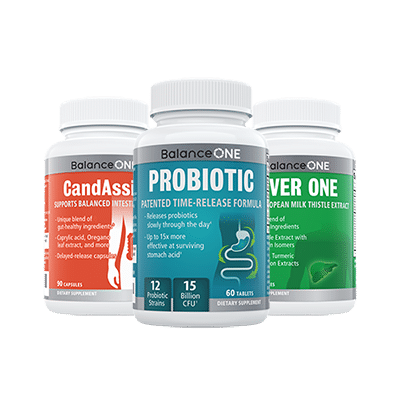
3-Month Candida Elimination Kit Start Your 3-month Candida Cleanse
This Candida Kit contains all the supplements recommended on the Candida Diet:
- LIVER ONE to process and remove the toxins created by Candida.
- CANDASSIST to inhibit and weaken the Candida colonies in your gut.
- PROBIOTIC to replace the Candida yeast with probiotic bacteria.
Plus... the CANDIDA DIET RECIPE BOOK with 50+ low-sugar recipes

I had started eating chopped raw garlic with honey in the morning and it has really helped me to reduce the white discharge over penis.
1 spoon of garlic and honey can be swallowed with water. The smell of garlic is so intense difficult to eat raw however it is very effective.
hi can i chop garlic and fry it by coconut oil for few minutes in order to beat candida?
Eating garlic is always great for your immunity, whether cooked or raw 🙂
I need the three months elimination kit