
Diflucan: Dosage, Side Effects, and Natural Alternatives
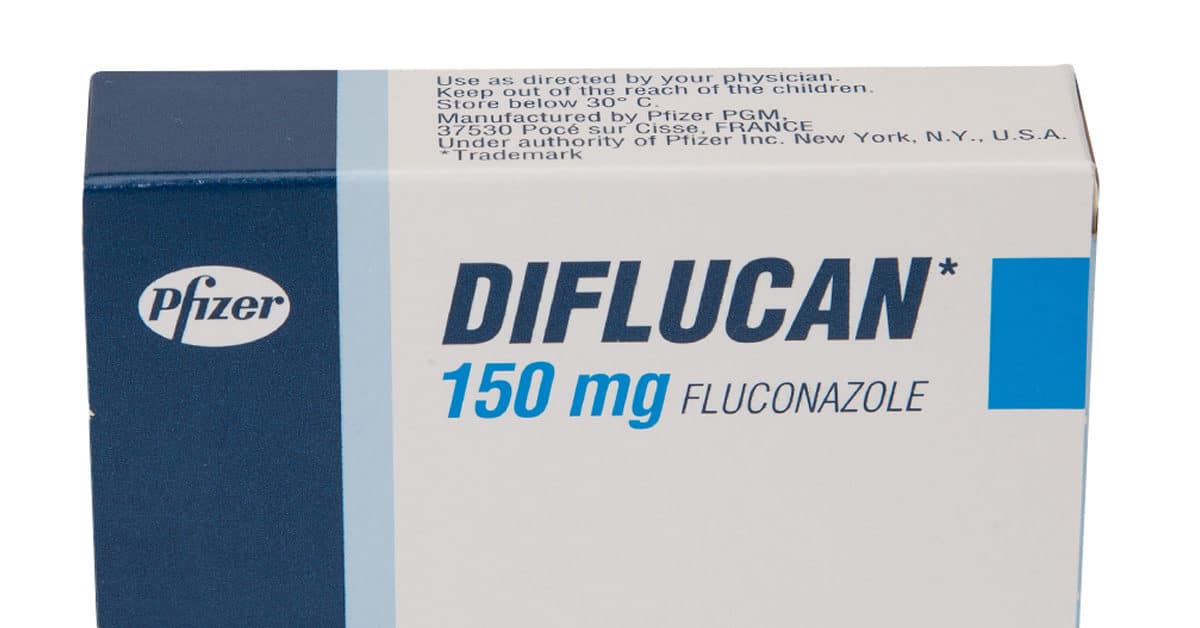
If you have been suffering from a Candida or yeast infection, your doctor may prescribe you a prescription antifungal medication named Diflucan, or to use the generic name, fluconazole.
This antifungal is well-researched and has been around for a long time, but it does come with side effects. There are also concerns that fungal pathogens like Candida albicans may be developing resistance to it.
Be aware that, although Diflucan can be an effective choice, there are natural antifungals that have been shown to be as effective (and sometimes even more effective). Choosing a natural antifungal may offer the same benefits as a prescription antifungal, but with fewer side effects and less stress on your liver and detoxification pathways. (1, 2)
Antifungal medications and natural antifungals will work best when combined with lifestyle changes. You should address whatever caused your Candida (diet, antibiotics, antacids, etc) for the best chance of eliminating your Candida infection ad preventing it from coming back. There is also strong evidence that a low sugar diet (like the anti-Candida diet) makes antifungal medication more effective. (3)
Table Of Contents
What Is Diflucan, And How Does It Work?
Diflucan is prescribed to treat systemic Candida overgrowth, invasive Candidiasis, vulvovaginal thrush and fungal and yeast infections of the mouth and throat, also known as oral thrush or Candidiasis.
Fluconazole is a widely used drug that hinders the synthesis of cell membranes in fungi and yeast. It has both fungistatic (preventing fungal growth) and fungicidal (kills fungus) properties. The fungus cannot reproduce and continue the infection, so it dies off and the infection clears. (4)
What Is Diflucan Used For?
If you are suffering from an overgrowth of Candida, your doctor may prescribe Diflucan. It could be for oral or vaginal thrush, or because you are showing the symptoms of a Candida overgrowth in your gut.
Less frequently, Diflucan is used to treat cryptococcal meningitis and prevent its recurrence in individuals with acquired immunodeficiency syndrome (AIDS).
Diflucan is frequently used as a preventative measure for Candidiasis in patients who have had a bone marrow transplant, or who are undergoing chemotherapy or radiation therapy.
Is Diflucan Effective?
The azole group of pharmaceuticals, including fluconazole, were discovered in 1969. Historically, Diflucan has been highly effective against fungal infections. The cure rate for symptomatic Candidiasis following a single 150mg dose exceeds 90%. (5)
In recent years, there is a growing concern of resistance to these azole antifungal medications. In humans, Candida species are responsible for the majority of fungal infections. Some Candida species are developing azole resistance which presents a serious problem for medical professionals. (6)
Studies have shown that around 5% of Candida species are resistant to fluconazole. This percentage is likely to increase over time, meaning that finding alternative antifungal remedies is a critical area of focus for research studies. (7)
How Do You Take Diflucan?
Diflucan contains the active ingredient fluconazole as either a 50mg, 100mg, 200mg capsule, or an oral suspension containing 50mg fluconazole per 5 ml. For use in severe systemic infections, an intravenous form is also available.
Swallow the capsule whole with water, or shake the bottle of suspension and measure out the dose before swallowing. You can take this medication with food or on an empty stomach. If you need more than one treatment, aim for the same time each day to have the greatest effect.
It is important to tell your doctor if you are taking any other medications, if you have any allergies or health problems, or if you are pregnant or planning a pregnancy. This information can affect the dose or choice of medication.
You must not change the dose or way that you take this medicine without consulting your doctor and always take the full course as prescribed.
Dosage
Your prescribed dose will depend on the specific infection you have and how your body responds to fluconazole.
The range tends to be from 50 mg to 400 mg once daily for adults, and from 3 mg to 12 mg per kilogram of body weight for children.
In babies under a month of age, Diflucan is often given every two or three days.
The suggested dose of fluconazole for vaginal Candidiasis infection is one 150 mg dose.
Your doctor will be able to give you updated information on the correct dosage for you.
Who Shouldn’t Take Diflucan?
As with most medications, certain conditions are contraindicated with the use of Diflucan. If you are suffering from one or several of these, you may not be able to take Diflucan, or you may have to take it under the supervision of your medical practitioner.
These conditions include:
Pregnancy
The incidence of vaginal Candidiasis increases during pregnancy due to the changes in hormones. Diflucan is a common medication given under these circumstances. A singular dose of Diflucan at low levels which would be indicated for vaginal Candidiasis is not shown to increase the overall risk of major congenital malformations.
However, at daily, high-doses (400 to 800 mg) of Diflucan during the first trimester of pregnancy, there have been cases of babies born with multiple craniofacial and skeletal malformations. (8)
Because of the possible risks during pregnancy with Diflucan, your doctor must always be consulted prior to use. Also note that you should not follow a strict candida diet if you are pregnant.
Chronic kidney disease or kidney failure
The kidneys are responsible for excreting Diflucan from the body. The active drug can be found in urine. Individuals that have decreased kidney function or even failure will have to be monitored closely to ensure that their kidneys can cope with a specific dose.
In cases of kidney failure, the decision to administer fluconazole either before or following dialysis is vital to the outcome. (9)
Liver problems
Individuals that are experiencing liver problems such as hepatitis or partial or full liver failure should only take Diflucan under the strict supervision of a health professional. Diflucan has been found to exacerbate liver dysfunction, especially in those who are HIV positive. (10)
Heartbeat irregularities
It is important to note that even low doses of fluconazole can cause heartbeat irregularities. If a patient is at risk for ventricular arrhythmia, it is critical to monitor the heartbeat with an electrocardiograph when Diflucan is administered. (11)
Known allergy to fluconazole
Fluconazole is one of the azole class of antifungal medication. Hypersensitivity to any azole or fluconazole could mean that Diflucan is completely contraindicated, requires a lower dose or must be administered under strict medical supervision. Allergic reactions or hypersensitivity to Diflucan are rare, but there have been reported cases. (12)
Diflucan Side Effects
Side effects, also known as adverse events, are unwanted reactions or events that occur following medication. The severity can be minor such as a headache, or more significant such as an increased risk of a cardiovascular event.
It is rare for Diflucan use to cause life-threatening side effects, and the minor events are usually dose-dependent. The higher the dose, the more likely side effects are likely to occur.
Minor side effects
The most common side effects of this antifungal medication include:
- Headaches or dizziness
- Drowsiness
- Stomach or abdominal pain
- Upset stomach, diarrhea, vomiting or nausea
- Heartburn or indigestion
- Loss of appetite, changes to the way food tastes or an unpleasant taste in your mouth
- Skin allergies, inflammation, itching or rash
Any reaction should go away within a few days. If the reaction is more severe or doesn’t lessen with time, you should talk to your doctor.
Serious side effects
Those with underlying diseases, such as acquired immunodeficiency syndrome (AIDS) or cancer, are more at risk of severe side effects. If you experience any of these major side-effects, it is critical that you call your doctor immediately. Serious side effects can include:
- Liver damage
Evident by jaundice or yellowing of your skin or whites of the eyes, dark urine, severely itchy skin and vomiting. Liver failure from the use of Diflucan isn’t usually permanent.
- Severe rash
This may be accompanied by severe urticaria (hives). The skin can begin to peel off in individuals who have acquired immunodeficiency syndrome AIDS or cancer.
- Torsades de pointes
A life-threatening condition affecting the rhythm of your heart. Symptoms can include palpitations, a fast and irregular heartbeat, seizures, dizziness, and fainting. Your risk of this is higher if you were born with certain heart conditions, if your potassium level is low or if you are taking antipsychotic drugs or anti-depressants.
Natural alternatives
If you are concerned about the side effects that can occur with Diflucan, or if you just prefer to use a natural antifungal, you will be happy to know that there are alternatives to prescription antifungal drugs.
Suitable treatments for Candidiasis depend on the area of the body that is affected:
For vulvovaginal Candidiasis
There are topical applications of natural products that have been proven to be very effective, which can preclude the need for oral antifungals, especially if used early in the infection.
Yogurt and honey
Researchers have found that a mixture of honey and live yogurt applied topically can assist in clearing Candidiasis in pregnant women. A similar study found that a honey and yogurt application was as effective as clotrimazole. (13, 14)
Probiotics
Natural probiotics combined with fluconazole treatment can provide long-term protection against recurrent vulvovaginal infections with Candida when used as a vaginal suppository. (15)
Boric acid
Boric acid is found in plants and is a form of the trace mineral Boron. This naturally occurring trace mineral is found in many whole foods including nuts, beans, and whole grains and avocados, oranges and grapes. Water contains a low level of boron.
This trace mineral is safe and effective against yeast infections, especially those caused by other Candida species like Candida glabrata. Boric acid suppositories had over a 90% cure rate when used nightly for 7 to 10 days (16).
Diabetics are especially at risk of yeast infections. Studies have shown that in diabetic women, boric acid vaginal suppositories demonstrate a greater efficacy against the yeast Candida glabrata than a dose of fluconazole (17).
For oral thrush
Propolis
This is a wonderful product made by bees. It is also known as bee glue because its purpose is to seal unwanted gaps in the hive. Honey bees form this golden to brown resin by mixing beeswax, saliva, and sap from tree buds and sap flows. It is a known anti-fungal agent.
Studies have shown that it is effective at eliminating Candida in those suffering from oral thrush. (18) Researchers performed sensitivity tests on 80 species of Candida and found that propolis demonstrated clear anti-fungal activity especially against Candida albicans in patients with dentures. (19)
If you have an allergy to honey, it is essential to consult with your medical practitioner before using propolis or any other bee product.
Pomegranate
Extract from the peel of the pomegranate (Punica granatum) is an abundant source of natural antioxidant, antimicrobial and antifungal activity. A gel made from pomegranate has been shown to be equally as potent as a miconazole gel in treating oral Candidiasis. (20)
Tea tree oil
The antifungal properties of oil extracted from the tea tree (Melaleuca alternifolia) have long been prized. Mouthwash containing tea tree oil is effective in interrupting the growth rate of Candida albicans and improving symptoms in oral Candida infections. (21)
Care must be taken not to swallow the solution, as it is toxic if ingested, therefore it is only suitable for treating oral or vulvovaginal Candidiasis.
In strains of Candida that have become resistant to fluconazole, tea tree oil has been found to be a useful adjunct. There is a synergistic action when both substances are used in combination, which increases the activity against resistant Candida strains. (22)
For intestinal Candida
Oregano or Oregano Leaf Extract
The smell of oregano conjures up visions of Italian or Mexican cuisine, but this useful herb was initially used for medicinal purposes. This multi-purpose herb has a plethora of benefits including antifungal, antiviral, and antibacterial properties.
Oregano oil can completely inhibit the growth of Candida albicans, and daily dosing with the oil can act as a preventative to Candidiasis. (23)
Oregano contains carvacrol, eugenol, and thymol which can kill the biofilms of Candida albicans that various antifungal drugs are ineffective against. (24)
Caprylic acid
This fatty acid that can be extracted from dairy products and plant fats including coconut oil and palm oil is also called octanoic acid. It has antifungal properties that nutritionally-oriented doctors recognize for Candidiasis at various sites in the body.
In 2011, researchers found that caprylic acid has a greater efficacy than fluconazole in treating some Candida infections. (25)
Caprylic acid breaks down the membrane which surrounds the Candida cells. Oil pulling is a procedure that involves swishing coconut oil around the mouth. This can treat and prevent oral Candidiasis. (26)
Garlic
Garlic, or Allium sativum, has been recognized as a powerful medicine and antifungal since around 3000 BCE. It has been used as a traditional medicine all over the world. (27)
The effects of garlic against Candida are well known in vitro (in test-tube studies). More recently, this antifungal activity has also been proven in biofilm studies, on living yeast organisms. (28, 29)
Allicin is the biologically active component of garlic. In combination with the enzyme alliinase, it forms Ajoene. To benefit from these components, eating garlic in its raw form is better. Cooked garlic does not confer the same level of health benefits, although it still has some antifungal action. If eating raw garlic doesn’t sound that appealing, you can buy capsules containing garlic extract.
Find An Antifungal That Works For You
Diflucan is an effective treatment for Candida infections, but there are a couple of issues to be aware of. Firstly, prescription antifungals tend to be associated with lots of side effects. And secondly, there is increasing resistance to Diflucan among fungal pathogens.
Talk to your health professional to see which is the best treatment or combination for you. You might find that a combination of natural antifungals is a milder way to get relief from your Candida symptoms.
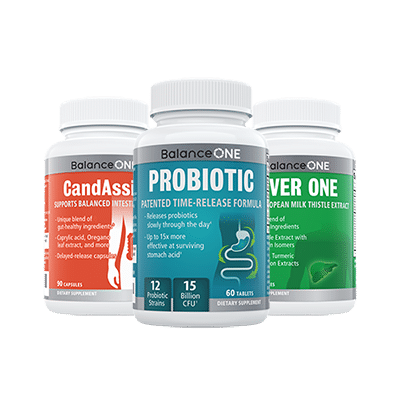
3-Month Candida Elimination Kit Start Your 3-month Candida Cleanse
This Candida Kit contains all the supplements recommended on the Candida Diet:
- LIVER ONE to process and remove the toxins created by Candida.
- CANDASSIST to inhibit and weaken the Candida colonies in your gut.
- PROBIOTIC to replace the Candida yeast with probiotic bacteria.
Plus... the CANDIDA DIET RECIPE BOOK with 50+ low-sugar recipes

Leave a Reply