
Natural Antifungals: The 7 Best Evidence-Based Options
Key takeaways
- Natural antifungals work best alongside a low-sugar diet and quality probiotics. A natural antifungal can form part of a comprehensive Candida plan.
- Use combinations (e.g., caprylic acid, undecylenic acid, oregano, berberine) to target Candida from multiple angles.
- Delayed-release capsules allow antifungal ingredients to safely reach the intestines.
- Start low, increase slowly, and separate antifungals and probiotics by ~1 hour.
- Expect short-term die-off; support hydration, fiber, rest, and gentle liver support.
What Are Natural Antifungals?
Natural antifungals are diet- and plant-derived ingredients that may help keep yeast in balance. A natural antifungal can be an herb or spice (like oregano or cinnamon), a fatty acid (caprylic acid, undecylenic acid), or an extract (olive leaf, berberine). They work best alongside a low-sugar diet and probiotics.
The 7 Best Natural Antifungals (Evidence-Based)
Natural antifungal ingredients include well-known antifungal herbs and spices like oregano, olive leaf, and garlic, plus non-herbal options such as caprylic acid, undecylenic acid, and berberine extracts. Used alongside a low-sugar diet and probiotics, they can support a balanced Candida plan.
Blended formulas like CandAssist deliver multiple natural antifungals in delayed-release capsules, which can improve consistency and coverage as part of a comprehensive Candida Kit.
How we chose these natural antifungals: in compiling this list we used a combination of clinical experience, peer-reviewed lab and adjunct evidence, safety/tolerability, and availability in products that are third-party tested for purity and quality.
1. Caprylic Acid
Origin & Use:
Caprylic acid is a medium-chain fatty acid naturally found in coconut oil. It has been a cornerstone of natural antifungal protocols for decades due to its ability to specifically target yeast in the digestive tract. Because of its small molecular size, caprylic acid can penetrate biofilms—protective layers that Candida builds to shield itself from treatment.
Repeated studies have shown caprylic acid is an effective treatment against Candida. A study conducted in Japan found that the fungicidal effect of caprylic acid on Candida albicans was “exceedingly powerful”. Another found that it had significant antifungal activity against Candida albicans.
How it works:
- Disrupts the lipid membranes of Candida cells, causing them to leak and die (source).
- Breaks down biofilms, making it easier for other antifungals to reach yeast cells (source).
- Lowers gut pH, creating an environment less hospitable to fungal growth.
Typical dosage: 300–600 mg daily, split into two or three doses. Often taken with food to improve tolerance.
Safety: Well tolerated by most people. Higher doses may cause mild digestive upset or loose stools. Starting with a smaller amount and increasing gradually can help.
2. Undecylenic Acid
Origin & Use:
Undecylenic acid is an unsaturated fatty acid derived from castor bean oil. Known as one of the strongest Candida killers, it has been used in topical antifungal creams and oral supplements for decades. In natural health, it’s valued for its ability to prevent Candida from becoming invasive.
How it works:
- Inhibits Candida’s transition from yeast to its hyphal (root-like) form, which is linked to tissue invasion (source).
- Disrupts fungal cell membranes, compromising their structural integrity (source).
- Reduces Candida’s ability to adhere and form biofilms (source).
Typical dosage: 100–300 mg daily, often taken in divided doses with meals for better absorption.
Safety: Generally safe when taken as directed. Some people experience mild stomach discomfort if taken on an empty stomach.
3. Oregano Leaf Extract
Origin & Use:
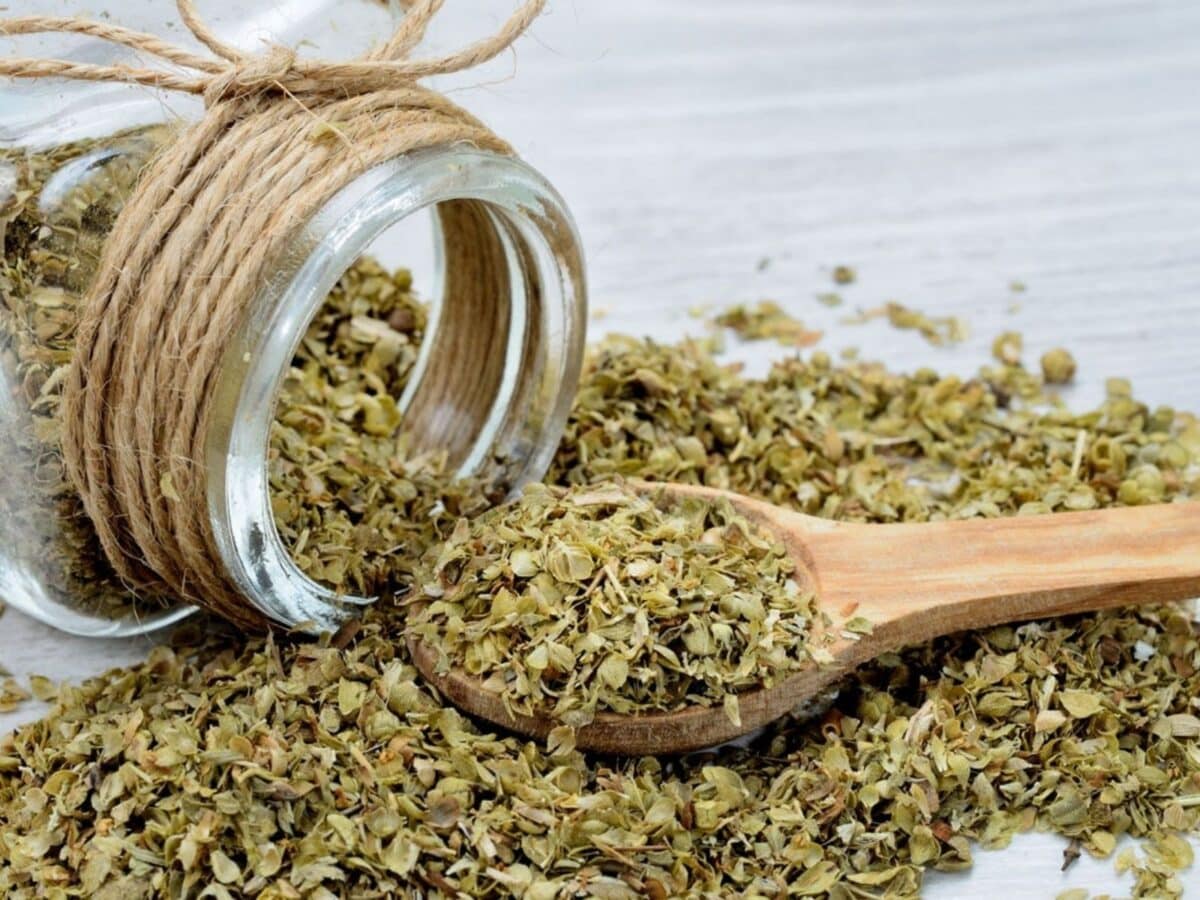
Oregano (Origanum vulgare) is a well-known culinary herb, but concentrated oregano leaf extract has potent medicinal value. It is rich in carvacrol and thymol—two phenolic compounds with strong antifungal and antibacterial properties. Unlike oregano essential oil, which can be harsh, standardized leaf extract is gentler and more suitable for ongoing use in Candida supplements like CandAssist.
How it works:
- Carvacrol damages fungal cell membranes, leading to cell death (source).
- Thymol interferes with Candida’s enzyme systems, disrupting its metabolism (source).
- Weakens biofilms, exposing yeast colonies to other antifungal agents (source).
- Significantly inhibits the growth of Candida albicans, even at a lower concentration than Nystatin (source).
Typical dosage: 100–200 mg daily of standardized leaf extract, taken with food.
Safety: Avoid high doses of oregano essential oil internally, as it can irritate the gut lining. Pregnant women should consult a healthcare provider before use.
4. Berberine HCl
Origin & Use:
Berberine is a bright yellow plant alkaloid found in herbs like barberry, goldenseal, and Oregon grape. Traditionally used for digestive complaints and infections, modern research has confirmed its antifungal properties. Berberine is often included in candida cleanse supplements for its dual role in controlling overgrowth and supporting gut health.
How it works:
- Inhibits Candida’s ability to adhere to the intestinal lining (source).
- Disrupts energy production in fungal cells by targeting mitochondrial function (source).
- Encourages the growth of beneficial gut bacteria, helping rebalance the microbiome (source).
Typical dosage: 200–500 mg once or twice daily, taken with meals to improve absorption.
Safety: Berberine can interact with certain medications, including those for blood sugar and blood pressure. Not recommended during pregnancy or breastfeeding.
5. Betaine HCl
Origin & Use:
Betaine hydrochloride is a supplemental form of hydrochloric acid used to support healthy stomach acidity. Low stomach acid is a common problem in those with Candida overgrowth, allowing pathogens to survive digestion and reach the intestines. By restoring healthy acidity, betaine HCl supports both digestion and pathogen control.
Betaine HCl is not technically a natural antifungal in the same way as the others on this list. It’s an adjunct that is used to support stomach acidity and supplement tolerance, as well as improve the efficacy of other natural antifungals like undecylenic acid and caprylic acid.
How it works:
- Raises stomach acid to levels that naturally inhibit yeast and other pathogens.
- Improves breakdown of proteins and overall digestion (source).
- Enhances absorption of minerals like zinc and iron, which support immune defenses.
Typical dosage: 100–500 mg with protein-containing meals. Some protocols suggest gradually increasing the dose until a warm sensation in the stomach is felt, then reducing slightly.
Safety: Consider avoiding betaine HCl if you have active ulcers, gastritis, or severe acid reflux. Always start at the lowest dose and monitor tolerance.
6. Garlic Extract
Origin & Use:
Garlic (Allium sativum) has been prized for its medicinal qualities for thousands of years. Its primary antifungal compound, allicin, is released when garlic is crushed or chopped. Standardized garlic extract delivers allicin in a stable form without the odor of fresh garlic, making it ideal for supplementation.
How it works:
- Allicin disrupts Candida’s metabolic processes, impairing its ability to grow (source).
- Prevents biofilm formation and weakens existing biofilms (source).
- Helps to suppress harmful yeast, allowing beneficial probiotics to thrive.
Typical dosage: 300–600 mg standardized extract daily.
Safety: Generally safe; may cause mild digestive upset in some people. Garlic can interact with blood-thinning medications—check with your doctor if you take these.
7. Olive Leaf Extract
Origin & Use:
Olive leaf extract, derived from the leaves of the olive tree (Olea europaea), is rich in the compound oleuropein. This natural phenol has been used in Mediterranean folk medicine for centuries to combat infections and support immune health. Modern research confirms its antifungal, antibacterial, and antioxidant benefits.
How it works:
- Oleuropein inhibits replication of Candida cells (source).
- Damages fungal cell walls, making them more susceptible to treatment (source).
- Reduces oxidative stress and supports immune function, indirectly helping to control Candida.
Typical dosage: 250–500 mg daily, standardized to 15–20% oleuropein.
Safety: Usually well tolerated. Some people may experience mild detox or die-off symptoms when starting. Begin with a lower dose and increase gradually.
Natural Antifungals Comparison Table
Use this table to compare mechanisms, typical dosages, and best-fit uses at a glance.
| Ingredient | Primary actions | Typical dosage | Best for | Notes |
|---|---|---|---|---|
| Caprylic acid | Membrane disruption; biofilm support | 300–600 mg/day | Broad-spectrum coverage | Details |
| Undecylenic acid | Blocks yeast→hyphae; membrane effects | 100–300 mg/day | Invasiveness control | Details |
| Oregano leaf extract | Phenolic antimicrobials; biofilm effects | 100–200 mg/day | Broad-spectrum coverage | Details |
| Berberine HCl | Adhesion inhibition; microbiome support | 200–500 mg, 1–2×/day | Gut balance + antifungal | Details |
| Betaine HCl | Raises stomach acid; digestion support | 100–500 mg with meals | Low stomach acid scenarios | Details |
| Garlic extract | Allicin; biofilm inhibition | 300–600 mg/day | Stacking with other agents | Details |
| Olive leaf extract | Oleuropein; membrane/cell-wall effects | 250–500 mg/day | Antifungal + antioxidant support | About olive products |
How Candida Defends Itself
To understand why antifungals are so important, it’s worth knowing how Candida fights back against treatment:
- Biofilm formation – Candida can produce a matrix of sugars and proteins called biofilm, that acts like armor. Biofilm-associated cells are up to 1,000 times more resistant to antifungal agents.
- Morphological switching – Candida can shift from a harmless yeast form to a filamentous fungal form (hyphae). This form can invade tissues and is harder to eradicate.
- pH adaptation – Candida can survive in both acidic and alkaline environments, allowing it to thrive in different areas of the body.
- Enzyme production – It secretes enzymes that break down host tissues for nutrients, aiding its spread.
These adaptations make a single antifungal agent less effective over time. This is why multi-ingredient antifungal supplements like CandAssist are often more successful—they attack Candida from multiple angles.
Using Antifungal Supplements Effectively
Choosing the right antifungal supplement is only part of the equation—how you take it can greatly influence your results.
Use combination therapy. Candida can adapt to a single antifungal compound, reducing its effectiveness over time. A supplement that combines multiple natural agents—such as caprylic acid, undecylenic acid, oregano extract, and berberine—targets yeast in different ways, making it harder for resistance to develop.
For example, CandAssist includes caprylic acid, undecylenic acid, oregano extract, berberine, and more, in delayed-release capsules for maximum effectiveness. It’s included in the Candida Kit alongside probiotics and liver support.
Stay consistent. Most Candida cleanse protocols recommend 4–12 weeks of daily antifungal use. Stopping too early can allow surviving yeast to regrow, undoing your progress.
Consider delivery method. Delayed-release capsules or tablets protect sensitive ingredients from stomach acid, ensuring they reach the intestines intact, where Candida often thrives. High quality antifungal blends like CandAssist use delayed release capsules to deliver their natural antifungals safely to the gut, just where they are needed.
Pair with probiotics. Once antifungals reduce yeast populations, probiotics can help restore balance by replenishing beneficial bacteria that compete with Candida. See our guides to choosing a probiotic and probiotic foods.
Support your detox pathways. When Candida cells die, they release toxins such as acetaldehyde in a process known as Candida die-off. Drinking plenty of water, eating fiber-rich foods, and supporting liver health with nutrients like milk thistle extract can help reduce die-off symptoms like headaches, fatigue, and brain fog.
Used correctly, antifungal supplements can be a powerful part of a broader Candida overgrowth treatment plan, especially when combined with diet and lifestyle changes.
Safety first
- Talk to your clinician if you’re pregnant/breastfeeding, on blood thinners or glucose-lowering meds, or have liver/kidney conditions.
- Avoid betaine HCl if you have active ulcers or severe reflux.
- Start low and increase slowly; separate natural antifungals and probiotics by ~1 hour.
Prescription Candida Overgrowth Treatments
For severe, systemic, or treatment-resistant Candida infections, doctors may prescribe pharmaceutical antifungals. These medications are generally fast-acting and can be effective against strains that don’t respond well to natural remedies. However, they carry a greater risk of side effects and should be used under medical supervision. There are also concerns that Candida albicans is becoming resistant to these drugs.
Fluconazole (Diflucan)
Fluconazole belongs to the triazole class of antifungals. It works by inhibiting ergosterol synthesis, a critical component of fungal cell membranes. Without ergosterol, the cell membrane becomes unstable and the fungus eventually dies.
- Uses: Oral thrush, vaginal yeast infections, systemic candidiasis.
- Side effects: Nausea, abdominal discomfort, headaches, and in rare cases, liver toxicity.
- Notes: Long-term use can lead to resistance, particularly in Candida glabrata.
Itraconazole (Sporanox)
Itraconazole has a similar mechanism to fluconazole but with a broader antifungal spectrum. It is often used for infections that don’t respond to first-line treatments.
- Uses: Systemic fungal infections, including stubborn Candida strains.
- Side effects: Digestive upset, liver enzyme elevation, potential heart toxicity in those with pre-existing heart failure.
- Notes: Must be taken with food to improve absorption; interacts with many medications.
Nystatin
Nystatin is a polyene antifungal that binds directly to ergosterol in fungal cell membranes, creating pores that cause the contents to leak out, killing the cell. Unlike azoles, it is not absorbed into the bloodstream when taken orally.
- Uses: Oral thrush, intestinal Candida overgrowth.
- Side effects: Generally minimal when taken orally; may cause mild nausea or diarrhea.
- Notes: Because it stays in the gut, it’s often preferred for localized digestive overgrowth.
While prescription antifungals can be highly effective, they work best as part of a broader Candida overgrowth treatment plan that includes dietary changes, probiotics, and natural antifungal supplements to reduce the risk of recurrence.
Antifungal Foods for Ongoing Support
Alongside antifungal supplements, there are antifungal foods that naturally inhibit Candida growth. Including these regularly in your diet can provide ongoing support and help prevent a Candida imbalance from recurring in your gut.
Coconut oil
Rich in medium-chain fatty acids like caprylic, capric, and lauric acid, coconut oil damages Candida’s cell membranes, causing the yeast to break down. It’s heat-stable and great for cooking or adding to smoothies. Try it in Coconut Chicken With Spinach, this Very Coconut Smoothie, Coconut Granola, or our popular Coconut Bread.
Garlic
One of nature’s strongest antifungals, garlic contains allicin, which disrupts Candida’s metabolism and biofilms. Crushing or chopping garlic before eating maximizes allicin release. Cook with it in soothing Zucchini & Onion Soup, quick Moroccan Stir Fry, or try garlicky Steak With Ginger Sauce.
Onion
Like garlic, onions contain sulfur compounds that inhibit yeast growth. They also have natural prebiotic fibers that feed beneficial bacteria. Add them to Baked Eggs Skillet or pair with rutabaga in this creamy Rutabaga & Onion Gratin.
Rutabaga
A cruciferous root vegetable high in antifungal compounds, rutabaga is known in Candida diets as one of the strongest antifungal vegetables. Best cooked to reduce bitterness. Try Smoky Rutabaga Hash for breakfast or Rutabaga & Rosemary Bread as a hearty side.
Ginger
Contains gingerol, which has both antifungal and anti-inflammatory properties. Fresh ginger tea or adding grated ginger to stir-fries supports digestion while inhibiting Candida. Bake Coconut Ginger Cookies or make light Coconut Ginger Clouds.
Olive oil
Rich in polyphenols like oleuropein, olive oil helps slow fungal growth and supports the immune system. Use extra virgin olive oil raw for maximum benefit—in simple salads like Artichoke Salad with Coconut Balsamic Vinaigrette or a probiotic-boosting Happy Gut Bowl.
Cinnamon
The compound cinnamaldehyde in cinnamon disrupts Candida’s ability to form biofilms. Sprinkle into teas, breakfasts, or savory dishes for daily antifungal support—or try Cinnamon Pecan Crumb Cakes or Cinnamon Coconut Crisp Cereal.
Turmeric (curcumin)
Curcumin, the active compound in turmeric, has antifungal and strong anti-inflammatory effects. Combine with black pepper to improve absorption. Try it in Golden Baked Chicken & Leeks, Vegan Cauliflower Curry, or Grilled Chicken with Bok Choy in Coconut Milk.
Fermented foods
Unsweetened fermented foods like sauerkraut, kimchi, and coconut yogurt contain probiotics that help crowd out Candida by restoring healthy gut bacteria. Get started with our sauerkraut guide (how to make it), use kimchi in Kimchi Meatballs, or add a spoonful to this Happy Gut Bowl.
When combined with a low-sugar, whole-food diet, these antifungal foods can help tip the balance in your gut toward beneficial microbes and away from Candida overgrowth. Aim to include 2–3 of these foods daily during your Candida cleanse or browse all Candida-friendly recipes to plan your week.
A Candida Cleanse Timeline
Here’s what you might expect when integrating natural antifungal supplements into your daily regimen.
Weeks 1–2: Begin your low-sugar, anti-inflammatory diet and start an antifungal blend like CandAssist. You may experience mild “die-off” symptoms as yeast cells die and release toxins.
Weeks 3–6: Symptoms such as bloating, fatigue, and brain fog often begin to improve. Continue antifungals and introduce probiotics to restore beneficial bacteria.
Weeks 7–12: Shift your focus toward long-term healing by emphasizing probiotic foods and antifungal ingredients in meals.
Maintenance: Keep sugar intake low, enjoy fermented foods regularly, and periodically use antifungal foods or supplements to prevent recurrence.
What Is Candida?
Candida is a genus of yeast that lives naturally in the human mouth, gut, skin, and other mucous membranes. In healthy conditions, it coexists peacefully with beneficial bacteria. However, certain factors—like antibiotic use, a high-sugar diet, chronic stress, or immune suppression—can disrupt the balance of your gut microbiome and allow Candida to grow out of control.
This overgrowth can cause a wide range of symptoms:
- Digestive issues such as bloating, diarrhea, or constipation
- Recurring vaginal or urinary tract infections
- Skin rashes, itching, or nail fungus
- Fatigue and brain fog
- Intense sugar cravings
While a low-sugar, anti-inflammatory diet is essential for Candida overgrowth treatment, diet alone often cannot eliminate the yeast. Candida albicans is an extremely resilient organism. It can form biofilms (protective layers that shield it from treatment), change shape between yeast and fungal forms, and survive in small colonies until the environment becomes favorable again.
Antifungals—whether natural or prescription—work by actively killing Candida cells, disrupting biofilms, and preventing the yeast from spreading. When combined with dietary changes and probiotics, antifungals can form the foundation of an effective Candida support plan.
Die-Off Reactions
When large numbers of Candida cells die quickly, they release toxins such as acetaldehyde into the bloodstream. This sudden release can overwhelm your detox pathways and trigger temporary, flu-like symptoms—often called a Herxheimer reaction or Candida die-off.
Common symptoms include:
- Fatigue
- Headaches
- Muscle or joint aches
- Digestive upset
- Brain fog
Managing die-off
If symptoms become uncomfortable, temporarily reduce your antifungal dosage to slow the rate of die-off. Drink plenty of water to help flush toxins and include fiber-rich foods to support elimination.
Liver-supportive supplements can also help: milk thistle seed extract protects and regenerates liver cells, artichoke leaf extract promotes bile flow for toxin removal, and molybdenum helps break down acetaldehyde into less harmful compounds. Gentle movement, rest, and stress reduction can further support recovery.
These reactions are typically short-lived and often a sign that your Candida overgrowth treatment is working.
FAQs
How long should I take natural antifungals?
Many protocols use daily antifungals for 4–12 weeks, then reassess based on symptoms, tolerance, and progress.
Can I take antifungals and probiotics together?
Yes—many people separate them by about an hour to minimize interactions. See our guides to choosing a probiotic and probiotic foods.
Which natural antifungal is “strongest”?
Strength depends on the mechanism you need. Undecylenic acid is known for limiting invasiveness, while oregano extract and berberine offer broad coverage. Blends typically perform best.
Do I need prescription antifungals?
They can be useful for severe or resistant cases under medical supervision. Most people start with diet, probiotics, and natural antifungals first.
What should I do if die-off hits hard?
Lower your dose temporarily, hydrate, add fiber, and consider gentle liver support like milk thistle. Rest and reduce stress where possible.
Do I need to rotate natural antifungals?
Most people don’t need to rotate. A multi-ingredient blend of natural antifungals used consistently—alongside diet and probiotics—usually offers broader coverage than switching single agents.
Are natural antifungals safe during pregnancy or breastfeeding?
Safety data are limited. It’s best to avoid a natural antifungal supplement during pregnancy or breastfeeding unless your healthcare provider recommends it.
Can natural antifungals harm beneficial bacteria?
Some botanicals have mild antibacterial effects, but many people use them while also taking probiotics (separating by ~1 hour) to help maintain a healthy balance. See our guide to choosing a probiotic.
What’s the best time to take natural antifungals?
Follow the label. Many take them with meals for tolerance and separate from probiotics by about an hour. Delayed-release capsules can help ingredients reach the intestines.
Can I use betaine HCl with natural antifungals?
Yes—betaine HCl isn’t an antifungal, but it may improve protein digestion and supplement tolerance, which can support your overall plan. Learn more about stomach acid.
Are antifungal foods enough on their own?
Antifungal foods help, but many people pair them with a natural antifungal supplement for 4–12 weeks. See our list of antifungal foods.
Do natural antifungals interact with medications?
Some can—especially berberine and garlic (e.g., with blood thinners or glucose-lowering meds). Check with your provider if you take prescription medications.
The Bottom Line
The most effective anti-Candida agents—caprylic acid, undecylenic acid, oregano extract, berberine, betaine HCl, garlic, and olive leaf—each target yeast in different ways. When used together, they offer a more comprehensive solution than any single antifungal alone.
For best results, pair antifungal supplements with diet changes, probiotics, and, when needed, prescription antifungals. Our recommended Candida Kit is designed around this principle—pairing CandAssist for broad-spectrum antifungal action with a time-release probiotic and natural liver support to help you feel better faster.
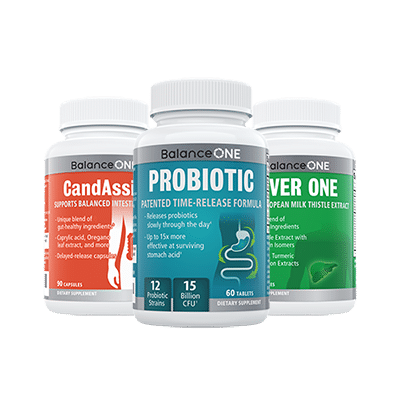
3-Month Candida Elimination Kit Start Your 3-month Candida Cleanse
This Candida Kit contains all the supplements recommended on the Candida Diet:
- LIVER ONE to process and remove the toxins created by Candida.
- CANDASSIST to inhibit and weaken the Candida colonies in your gut.
- PROBIOTIC to replace the Candida yeast with probiotic bacteria.
Plus... the CANDIDA DIET RECIPE BOOK with 50+ low-sugar recipes

Thank you very much for this information.
My son has been suffering from chronic fatigue for years and just found out about you. he started 31st may and already feel good,
I have started your Balance One protocol and anti candida diet 3 weeks ago. I am so fatigued in the afternoons. is this normal? I so want to start feeling better!
Yes, it’s quite normal to feel tired during the first few weeks. Make sure you are not going too low-carb as that will lower your energy levels. A good target is 100 grams of net carbs per day.
I have been struggling with yeast infections for 3 years now. Never was it suggested to me to change my diet bc I may have poor gut health. It wasn’t until I started suffering from chronic gut issues that I realized maybe this is all connected. After thoroughly reading through this whole website, I am eager to start my Candida Diet! Praying this helps!