
Using Black Walnut As An Antifungal
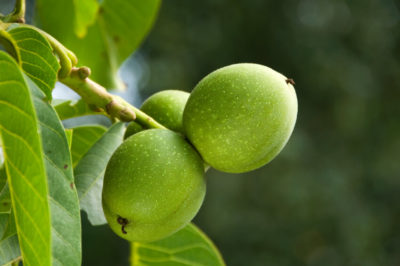
The humble black walnut is one of nature’s most powerful disease-fighters. The bark, husk and leaves of the Black Walnut tree have a myriad of uses, and have featured in natural medicine for centuries in North America. The bark is an effective toothache reliever, the inner bark works as a laxative, the juice can treat ringworm, and the leaves are useful for deterring bedbugs and mites.
Most important is the husk, which is a potential Candida-killer and may even be more effective than certain pharmaceutical antifungal drugs. This finding has made Black Walnut a useful anti-Candida solution, and it’s widely available as an over-the-counter natural supplement.
Table Of Contents
How Does Black Walnut Work?
Researchers have found that black walnut kernels contain a variety of constituents including flavonoids, quinones, and polyphenols. It’s believed to harbor anti-inflammatory, antioxidant, antiatherogenic, and neuroprotective properties.
Antifungal
Black Walnut contains an active ingredient known as juglone, which can be as effective as some commercial antifungal drugs. This particular study found that juglone to have “moderate antifungal activity” and fights fungal infections as effectively as other common antifungal treatments, such as zinc undecylenate and selenium sulfide.
It appears that black walnut can inhibit certain enzymes of the yeast which are needed for metabolic function, thus preventing it from growing and spreading.
Anti-parasitic
Another of Black Walnut’s secrets is its high proportion of natural tannins. These tannins can destroy parasites, yeast and fungus. It’s been shown to treat nasty fungal parasitic diseases of the gut, such as ringworm, tapeworm, pin or thread worm.
Mild Laxative
Black walnut also works as a gentle laxative. Its ability to improve slow bowel transit time means it can be used as a remedy for chronic constipation and to flush out toxic buildup in the gut, which also helps with ridding the body of parasites.
Topical Treatment
In traditional medicine, the juice of the unripe black walnut kernel was highly prized for its ability to treat topical fungal infections such as ringworm and athlete’s foot.
Plant Pesticide
Black walnut is so powerful, it’s even known to be a danger to other plants – which is why it’s used as a natural pesticide!
Other Potential Benefits Of Black Walnut
As you can see, there is much more to black walnut than its use as an herbal antifungal. Here are a few more potential benefits that have been noted in research studies and traditional medicine.
- Improves heart function
- Anti-inflammatory
- Circulatory stimulant
- Anti-hypertensive (reduces blood pressure)
- Immune system booster
- Digestive aid
- Skin healer
- Regulates thyroid
- Relieves diarrhea
- Aids sore throat
How Do You Take Black Walnut?
When taken as part of an anti-Candida treatment, the most beneficial part of the Black Walnut is usually the husk. The nut is harvested when green and then soaked to remove the husk. The therapeutic properties are then extracted.
Black Walnut extract is usually sold as a tincture, or alcoholic solution. Don’t worry too much about the alcohol content as it is used in such small quantities that its effect is minimal. Concentrated extracts of Black Walnut are also available in capsule form for convenience.
Who Should Not Take Black Walnut?
Caution is advised for those with existing liver or kidney conditions, as Black Walnut may cause irritation. Those with gastrointestinal conditions other than Candida should also seek the advice of a health professional before commencing a Black Walnut supplement.
Although no side effects have been reported in humans taking Black Walnut, those with liver or kidney damage should be aware that it contains a high level of tannins.
For lots more information on how to choose between antifungals like caprylic acid, black walnut, and garlic, take a look at my Ultimate Candida Diet treatment plan.
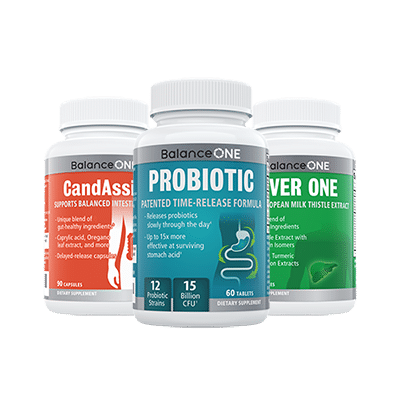
3-Month Candida Elimination Kit Start Your 3-month Candida Cleanse
This Candida Kit contains all the supplements recommended on the Candida Diet:
- LIVER ONE to process and remove the toxins created by Candida.
- CANDASSIST to inhibit and weaken the Candida colonies in your gut.
- PROBIOTIC to replace the Candida yeast with probiotic bacteria.
Plus... the CANDIDA DIET RECIPE BOOK with 50+ low-sugar recipes

Leave a Reply