
Bentonite Clay: A Natural Way To Detox
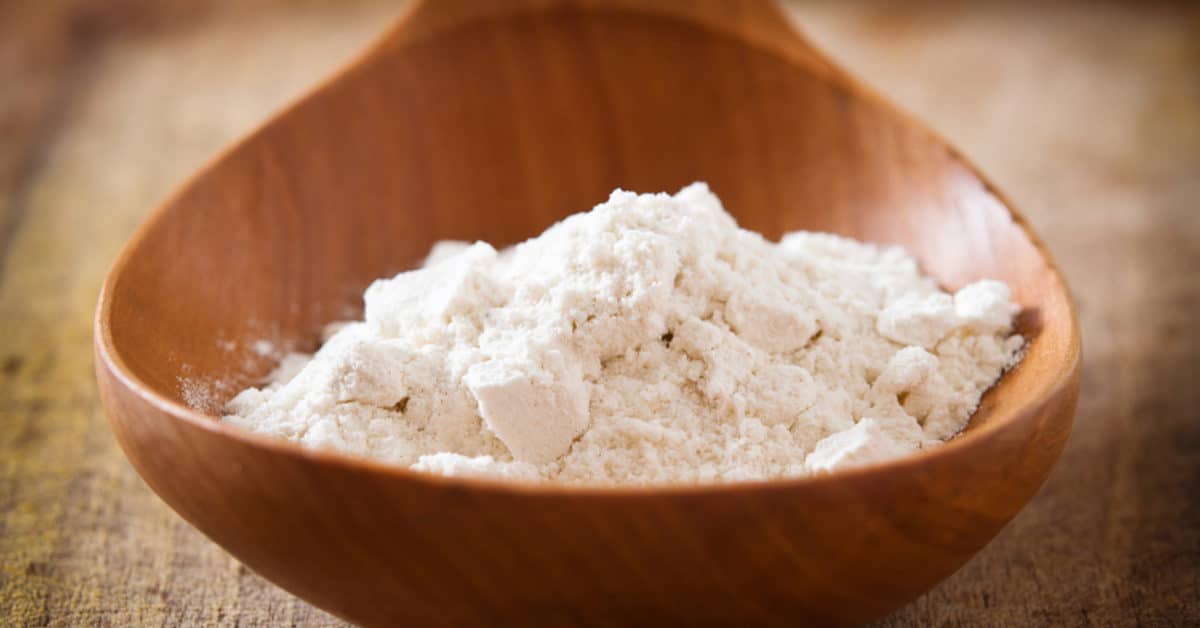
Telling someone to “eat dirt” might seem rather insulting, but under certain circumstances, it can be excellent advice! If you suffer from intestinal Candida or regular yeast infections, bentonite clay could help you get relief from your symptoms.
Trends in health and wellness come and go, and there always seems to be a new superfood or therapy to try. You might not have heard of bentonite clay before, but this remedy is far from a recent discovery. In fact, Hippocrates wrote about it in 400 BCE with Aristotle following suit 100 years later.
This raw product, also known as Montmorillonite clay, could be the missing element in your Candida cleanse. Furthermore, bentonite incorporates an array of minerals which are available for absorption including calcium, potassium, and silica.
Table Of Contents
What Is Bentonite Clay?
Remarkably, bentonite is the result of a volcanic explosion. It’s named after the geological formation from the Cretaceous era known as Benton Shale, situated in Fort Benton, Wyoming. Volcanoes form an integral part of the landscape in this area.
This absorbent substance was first officially discovered by Wilbur C. Knight in 1898,and to this day, this is where most of the bentonite in the world is mined. It can also be found in the Montmorillon region of France, which is why it is interchangeably called Montmorillonite or bentonite clay. (1)
Bentonite is created when, in the presence of water, glass particles within volcanic ash begin to age. These deposits were formed from 488 to 2.6 million years ago. These clays contain so-called clay minerals, also known as hydrous aluminum phyllosilicates. (2)
The Traditional Use Of Bentonite Clay
Clay is one of the oldest materials that civilization has used in both construction and for health purposes. Many cultures have used clays including bentonite as part of their healing rituals, and the practice of imbibing clay is known as geophagy.
The first record of clay being used for medicinal purposes dates back to ancient Mesopotamia where both Aristotle (384-322 BCE) and Pliny the Elder (23–79 CE) wrote accounts of medicinal uses of clay including how to alleviate digestive ailments by ingesting volcanic mud. (3)
Clay is still widely used around the word by indigenous people who live near sources of bentonite. Its popularity could be because it is widely available and doesn’t need to be further processed.
How Bentonite Clay Works
Opposites attract. An adage that rings true on more than one level. When you consider attraction on a molecular level, you can begin to understand how bentonite exerts its advantageous effects in the body.
The human body, the air around you, the ground beneath you – they all consist of minuscule building blocks called molecules. In simple terms, an ion is a molecule with a negative or positive charge. The behavior of this molecule and how useful it is to your wellness depends on the type of charge it possesses.
When you leave the city behind and immerse yourself in nature, you are surrounded by negatively charged ions in the fresh air. Average air has approximately 3000 negatively charged ions per cubic centimeter, the air surrounding a waterfall might contain as many as 100,000, and in the polluted air of inner cities, the level might be nearer to just 100. (4)
Clean air containing high levels of negatively charged ions has a calming and relaxing effect by increasing alpha brain waves and brain wave amplitude. Negatively charged ion are credited with reducing allergies, providing relief from headaches and enhancing your immune system.
It shouldn’t be a great surprise that positive ions have the opposite effect on your health. You might have heard of free radicals: these are positively charged ions that can damage normal cells and have been blamed for the effects of aging, and the cause of many illnesses including cancer. Unfortunately, there are many more positive ions in modern times due to chemical agriculture, processed foods, construction materials, and even in the water you drink. Viruses, impurities, pollutants, and toxins are positively charged. Positive does not always equate to something good.
Negative ions attract positive ions. No surprise there, but what this means is that the highly negatively charged, calcium-rich, bentonite clay seeks out positive ions once it is activated by hydration. Bentonite clay is a powerful detoxifier as it absorbs free radicals and toxins.
Your body doesn’t absorb the bentonite. It gathers the positive ions then passes through our gut without being digested. Along route, the clay acts in a manner like a sponge, expanding and detoxifying. The impurities in your system are attracted to and stick to the surface of the clay, a process referred to as adsorption.
It is this ability of bentonite clay to attract, adsorb, and aid in the excretion of toxins, that for the basis for its astonishing health-giving properties.
7 Benefits Of Bentonite Clay
1. General digestive health
The primary benefit of bentonite clay is for the digestive system. Problems with nausea, constipation, and other digestive issues can be relieved with bentonite. Bentonite acts as a sponge for toxins and undesirable heavy metals in the gastrointestinal tract, which means they will no longer interfere with healthy digestion.
2. Removal of toxins
This function is perfectly demonstrated in studies that have established that bentonite has a strong affinity to the toxic fungal by-product, aflatoxin, whose ingestion can lead to serious illness including liver damage and cancer, and death.
When foods are not stored properly, aflatoxins can develop. In animal studies, bentonite binds tightly to this toxin, allowing it to pass through the body without any negative consequences. (7)
If you have a chronic gut imbalance like Candida, bentonite could help. It works to remove the toxic metabolites that are released by Candida albicans, both during its metabolism and also during Candida die-off.
3. Removal of viruses
Gastroenteritis or stomach flu is a painful and distressing intestinal infection marked by a fever, diarrhea, cramps, nausea, and sometimes vomiting. Rotavirus and coronavirus are frequently the causal agents. The bovine versions of these viruses were successfully adsorbed by bentonite during research undertaken with cows. (8)
4. Alleviating IBS symptoms
When bentonite therapy was used in sufferers of Irritable Bowel Syndrome in France, the clay eased all of the symptoms that were recorded including abdominal pain, constipation, and diarrhea. (9)
5. Candida die-off
If you have been following the Candida Diet to assist with a Candida overgrowth, the yeast in your system will gradually die, leaving debris in the form of endotoxins, in its wake. These endotoxins include carcinogenic acetaldehydes and can cause severe problems. (10)
This is referred to as a Jarisch-Herxheimer reaction, Herxing, or die-off in the case of Candida.
Your liver and kidneys need to work especially hard in order to filter and excrete these dangerous toxins. Using bentonite can help to alleviate any Herxing reaction symptoms you are suffering. The negatively charged bentonite will bind to the positively charged yeast toxins and remove them from your body where they can no longer cause harm.
If toxins and harmful chemicals are removed from the gut, the good probiotic bacteria will find it easier to thrive.
6. Kidney function
Your kidneys excrete creatinine which is a metabolite from your muscles. It is possible to measure creatinine as an indicator of kidney function. In a mouse model, bentonite has been shown to accelerate the excretion of creatinine by the kidneys. It also increases the elimination of the waste product urea and prevents the absorption of urea in the intestine. (11, 12)
7. External use
External use of bentonite on the skin and hair is just as popular as internal use. Many people suffer from allergic contact dermatitis, and bentonite is proven in preventing, or at least reducing the symptoms of, this irritating condition. (13, 14, 15)
When babies suffer from diaper rash or dermatitis, bentonite was shown to be more effective than calendula (a popular treatment). (16, 17)
In 2014, researchers found that bentonite was able to absorb higher levels of UV light that regular sun lotion, making this an exciting direction for manufacturers of natural sunscreen products. (18)
In Iran, there has been a long history of bentonite use to soften and moisturize the hair. Research on sheep has shown that it increases wool growth. (19)
To use the clay on your skin or hair, all you need to do is mix it with water until it forms a paste and then apply and leave it to dry. Your skin will feel thoroughly cleansed and much softer. Another popular way to use this healing clay externally is as a soak for your body or feet. Add one or two cups of clay to a hot bath and enjoy a thirty-minute soak, or a couple of tablespoons for your feet to soak in.
How To Take Your Healing Clay
In addition to being used internally for its incredible benefits, bentonite clay is also used topically for improving skin tone and treating some skin conditions. It is also used in construction, meaning that you must ensure that you purchase food grade clay to ensure its safety and purity. Good clay should be a gray to cream color, without any smell or taste.
You can decide how frequently you wish to take bentonite, and within reason, how much. A standard dose is around one teaspoon of powdered clay daily. The easiest way to consume the clay is to mix it with water. It is usually easiest to do this in a container with a lid so that you can shake the contents together. Bentonite clay is frequently used with Psyllium or other fiber supplements in a colon cleanse.
The important thing is to avoid using metal vessels or spoons. Why? Remember that the bentonite has negatively charged ions meaning that any metal you use can interfere with this charge and alter how effective it is.
Side Effects
A considerable advantage to using natural products is that the risk of suffering from any reaction is low. Bentonite is from the earth and, in its pure form, contains only natural ingredients.
The Food and Drug Administration (FDA) which is the organization responsible for ensuring that food products and supplements are safe for the public, endorsed bentonite clay as “generally regarded as safe” back in 1977, which means that it has been certified as safe for over 40 years. (5)
You may experience minor intestinal discomfort when you take bentonite. This can be minimized by ensuring that you drink enough water.
If you are attempting a detox with bentonite, then you may undergo some side effects that are due to the toxins being released from your body. Headaches, pains in your muscles or joints and general malaise are all normal and should dissipate within a couple of days.
Like other whole foods that form part of a balanced anti-Candida diet, such as collard greens and spinach, bentonite contains small quantities of lead and other trace minerals. (6)
You shouldn’t be alarmed by this because it only has about half the amount of lead that you would find in dry roasted peanuts! Providing you have selected a food grade bentonite, there should be no reason to be concerned over the lead content.
Who Should Take Bentonite Clay?
As with any dietary supplement, there needs to be additional care taken for children, the elderly and pregnant woman. As a crude product it is extremely safe for the majority of users, but if there are any doubts in your mind, please talk with your doctor.
With such a wide range of benefits, bentonite can be useful for more or less everyone. No matter how healthful you feel that your lifestyle is, you will still be at risk of absorbing toxins from your food and the environment, and from suffering the damage of free radicals. Bentonite can assist you to lower the dangerous toxins in your system.
If you are experiencing a Candida overgrowth, bentonite could be a valuable addition to your digestive detoxification routine. The clay will help to remove the toxins that the yeast excretes as it dies.
Enjoy The Benefits Of Healing Clay
Research is continuing to find further uses for this ancient mineral clay. There are many conditions that benefit from its use. It has been proven to be a great asset for your health, and safe for use both internally and externally.
If you’re suffering from a form of gut dysbiosis like Candida, bentonite could provide relief from your symptoms. It helps to remove the toxic metabolites that are released by Candida albicans during its metabolism. During Candida die-off, when large amounts of dying yeast cells release these same toxins, bentonite can be particularly useful.
As an inexpensive, reliable and proven natural product that has been used since ancient civilizations discovered it, why not see if your symptoms would be improved with bentonite clay?
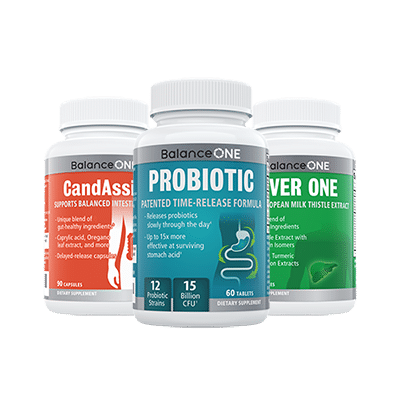
3-Month Candida Elimination Kit Start Your 3-month Candida Cleanse
This Candida Kit contains all the supplements recommended on the Candida Diet:
- LIVER ONE to process and remove the toxins created by Candida.
- CANDASSIST to inhibit and weaken the Candida colonies in your gut.
- PROBIOTIC to replace the Candida yeast with probiotic bacteria.
Plus... the CANDIDA DIET RECIPE BOOK with 50+ low-sugar recipes

Excellent article, thank you for sharing!
I swear by the benefits I have experienced for years using Bentonite, including quickly dissipating virus symptoms such as nasal congestion & throat soreness.