
Pantethine As A Detox Supplement
Better known as a derivative of Vitamin B5, Pantethine can be a useful part of your Candida program. Pantethine is the more active form of Pantothenic Acid, and plays an important role in energy metabolism and detoxification.
Small amounts of pantethine are present in some foods, but these amounts aren’t quite enough to provide your body with its therapeutic benefits. For this reason, Pantethine is best taken in a concentrated form as a supplement.
Pantethine benefits Candida sufferers by supporting healthy metabolism, particularly when it comes to breaking down acetaldehyde. Acetaldehyde is one of the toxic byproducts released by the Candida yeast during its growth and die-off phase. It’s a nasty chemical that affects your metabolic, endocrine, neurological and immune systems, often resulting in that ‘brain fog’ symptom that is so characteristic of Candida. Acetaldehyde is produced by the Candida yeast during your Candida infestation, and it is also released by yeast cells during the Die-Off reaction.
Pantethine also supports the adrenal glands. The adrenal glands are responsible for producing a number of important hormones required for bodily functions, including the immune system. However, the adrenal glands are vulnerable to the stress placed on the immune system by Candida overgrowth.
Table Of Contents
How Can Pantethine Help With Your Candida?
There are three ways in which pantethine can help you during our Candida treatment. Let’s take a closer look.
PANTETHINE HELPS TO EXPEL THE TOXIC BYPRODUCTS OF CANDIDA
When Candida overgrowth is present in the gut, it produces as many as 79 different waste products that can wreak havoc in your body. One of these is acetaldehyde.
Acetaldehyde is the same substance that causes a hangover when you drink too much alcohol. This toxin causes a number of problems in the body. It’s believed to affect the function of the liver, pancreas, immune system, and the brain, and can also damage the lining of the gut.
The longer a Candida overgrowth remains in the gut, the more acetaldehyde it produces. Over time, the acetaldehyde can accumulate to dangerous levels. Research suggests that excess acetaldehyde is similar to alcohol poisoning, and it’s even been linked to Fetal Alcohol Syndrome and Alzheimer’s Disease.
Pantethine helps to relieve the symptoms of acetaldehyde poisoning by effectively flushing it from the body. It does this by helping your body to make co-enzyme A, a nutrient that plays a major role in metabolic function. Acetyl Coenzyme A is the active form of pantothenic acid, and it is formed when coenzyme A combines with the acetate in your cells.
Studies have shown that pantethine can lower overall acetaldehyde levels in the body. A study in Japan which involved giving a clinical dose of pantethine to people who had ingested alcohol showed that the pantethine prevented a rise in blood acetaldehyde.
When incorporated with a Candida diet program, Pantethine performs a very similar role to molybdenum, another supplement that we recommend for general Candida symptoms and Candida Die-Off.
PANTETHINE BOOSTS YOUR ADRENALS
Your adrenal glands are often one of the first casualties of a Candida overgrowth. You can read more about this on our adrenal fatigue page. Pantethine can play an important role in your recovery by boosting your adrenals and restoring your immune system to health.
Pantothenic Acid (vitamin B5) is one of the most essential vitamins for normal brain function. Among its many other roles in the body, it supports the functions of both the adrenal gland and the pancreas, both of which play important roles in hormone production and metabolism.
In particular, Pantethine supports the production of the adrenal steroid hormone cortisone. Cortisone is a powerful hormone required for controlling inflammation in the body. It helps to prevent chronic inflammatory conditions of the digestive system that can stem from Candida overgrowth, such as Irritable Bowel Syndrome and Crohn’s Disease.
PANTETHINE SUPPORTS GENERAL HEALTH AND WELLBEING
By boosting the body’s levels of Coenzyme A, pantethine is integral to the synthesis of acetylcholine, an important compound required for nerve function and memory. It also helps to promote the formation of healthy blood cell membranes, as well as incorporating important fatty acids such as DHA into the structure of the cell membranes.
Pantethine also helps to reduce cholesterol levels and supports healthy weight management. It’s an important part of Phase II liver detoxification, helping to clear the body of alcohol and other metabolic byproducts. Most importantly, pantethine helps in the production of important nutrients such as glucosamine, which is essential for supporting the gastrointestinal tract and healthy joints.
How Do You Take Pantethine?
Pantethine is generally available in health stores in tablet or capsule form. A typical dose of Pantethine is 300mg, usually taken in divided dose (for example, three times a day).
Pantethine supplements are usually in the form of a compound called Calcium Pantothenate. Other pantethine supplements may be double-bonded with sulfur, which provides it with special biological activity that vitamin B5 alone does not have.
As with all supplements, remember to keep it in a cool dark place and away from the reach of children.
Who Should Not Take Pantethine?
In some cases, Pantethine may cause irritation in the gastrointestinal tract and cause diarrhea. Those with chronic inflammatory conditions of the bowel or digestive system are not advised to supplement with pantethine.
Pantethine is not recommended for women who are pregnant or breastfeeding.
Pantethine Side Effects
It is advised that pantethine should only be taken according to dosage instructions on the supplement label. Large amounts of pantethine may block the uptake and absorption of other B vitamins.
There have been some reports of fatigue, headaches and numbness in hands or feet when taking pantethine. Others have complained of increased bowel movements or diarrhea.
Choosing A Detox Supplement
Supplements like pantethine, milk thistle, and molybdenum can all help to support your liver and increase the efficiency of your detox pathways. During a Candida treatment plan this is particularly important, as probiotics, antifungals, and changes to your diet can all result in lots of Candida yeast dying.
For more information on choosing a detox supplement and reducing your Candida symptoms, take a look at my Ultimate Candida Diet treatment program.
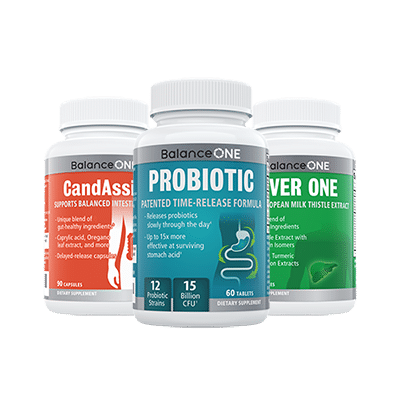
3-Month Candida Elimination Kit Start Your 3-month Candida Cleanse
This Candida Kit contains all the supplements recommended on the Candida Diet:
- LIVER ONE to process and remove the toxins created by Candida.
- CANDASSIST to inhibit and weaken the Candida colonies in your gut.
- PROBIOTIC to replace the Candida yeast with probiotic bacteria.
Plus... the CANDIDA DIET RECIPE BOOK with 50+ low-sugar recipes

Leave a Reply