
How To Choose A Good Coconut Oil
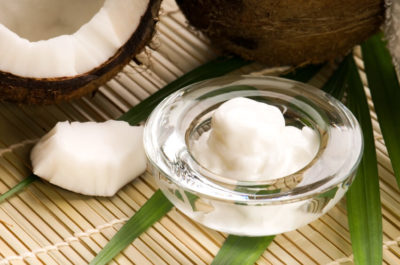
Coconut oil is packed full of healthy saturated fats, can increase your energy levels and is a great addition to your diet. You can use coconut oil in place of your regular olive or vegetable oil, but choosing the right coconut oil is not as easy as you might think. In this post I’m going to explain which coconut oils will give you the most health benefits.
For Candida sufferers, coconut oil is also a great source of natural antifungals. It contains three fatty acids (caprylic acid, capric acid, and lauric acid) that can help to beat a yeast overgrowth. Picking a high quality oil will get you the best results, so here are my guidelines to choosing the best coconut oil.
Table Of Contents
Organic Virgin Coconut Oil
Virgin coconut oil is coconut oil that has been mechanically processed without the use of chemicals or solvents. The oil is extracted through the use of pressure rather than complicated chemical processes. This is a more gentle method than using chemicals and solvents, and it is far less likely to damage the oil. It also has the advantage of not containing residues from these noxious chemicals.
The best virgin coconut oil will actually retain much of the taste and smell of fresh coconuts. On the other hand, many non-organic commercial brands use refining and bleaching processes that remove the natural coconut aroma and taste.
Buying organic is a good idea too. This is another way to guarantee that chemicals or solvents have not been used during the manufacturing process. You can find a good example of a 100% organic oil in our recommended products section.
Should You Buy Virgin Or Extra Virgin Coconut Oil?
You might see various coconut oil brands marketing their products as Virgin or Extra Virgin. So what’s the difference? Actually, there is probably no difference between these products at all. This confusion originates in the fact that coconut oil is not regulated the same as the olive oil industry, which has accepted standards for Virgin and Extra Virgin oils.
Coconut oil standards are set by the Asian and Pacific Coconut Community, a group that is responsible for about 90% of coconut oil production. They define Virgin Coconut Oil as follows:
“Virgin coconut oil (VCO) is obtained from fresh and mature kernel (12 months old from pollination) of the coconut (Cocos nucifera L.) by mechanical or natural means with or without the application of heat, which does not lead to alteration of the nature of the oil. VCO has not undergone chemical refining, bleaching or deodorizing. It can be consumed in its natural state without the need for further processing.”
The APCC has no definition for ‘Extra Virgin,’ so if you see that on a label it does not really mean anything. ‘Extra Virgin’ and ‘Virgin’ oils are usually just the same quality.
Cold Pressed Or Expeller Pressed?
Many coconut oils are advertised as ‘cold pressed.’ This signifies that no heat has been used in the production process. This is certainly a good thing, although coconut oil is actually very heat-stable so the use of heat is unlikely to damage the oil.
On a side note, this is why coconut oil is such a healthy oil to use in your cooking. It does not degrade under heat, unlike many vegetable oils which can turn into trans fats when used for frying food. Coconut oil retains its structure and can be heated and reheated to fairly high temperatures without degrading.
Expeller pressed oil uses a mechanical extraction process that generates a significant amount of heat, so coconut oil extracted in this way is not usually classified as virgin oil. However some people prefer to use expeller pressed oil as it does not have the flavor or aroma of virgin coconut oil. If you don’t like the coconut flavor or want to taste it in your cooking, expeller pressed oil can be a good option. Otherwise, stick to the cold pressed oils.
How To Add Coconut Oil To Your Diet
The best coconut oils have these three characteristics:
- Organic
- Virgin (or Extra Virgin)
- Cold Pressed
Coconut oil is great to use in your frying, baking, and as a base for some tasty salad dressings. You’ll notice that it is used in lots of Candida-safe recipes. You can even take coconut oil as a supplement – just eat a tablespoon of coconut oil with your meals.
For more information on how to prepare meals on a Candida Diet, as well as some tasty ways to incorporate coconut oil into your baking and other recipes, check out our Ultimate Candida Diet program.
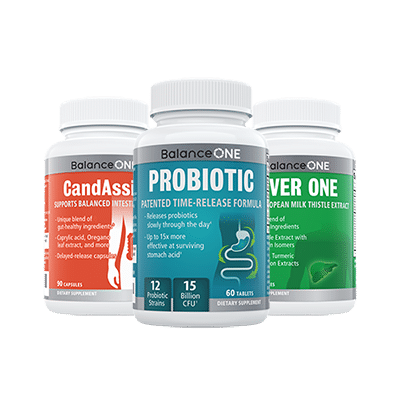
3-Month Candida Elimination Kit Start Your 3-month Candida Cleanse
This Candida Kit contains all the supplements recommended on the Candida Diet:
- LIVER ONE to process and remove the toxins created by Candida.
- CANDASSIST to inhibit and weaken the Candida colonies in your gut.
- PROBIOTIC to replace the Candida yeast with probiotic bacteria.
Plus... the CANDIDA DIET RECIPE BOOK with 50+ low-sugar recipes
I use a lot of coconut oil because of its stability when heated. To Sauté shrimp with garlic in coconut oil is not only an anti yeast protein supper, it has a marvelous taste. But don’t use it to sauté greens like kale-flavors conflict. Use grape seed and olive oil combined plus keep the greens moist with the water from rinsing. When the water is gone the pan is over 212 F. Shortly thereafter (325F) the olive oil begins to break down.
I bought coconut oil it was written that it is”100% pure coconut oil. It didn’t have any smell and I didn’t like the taste – it remembered me like smth fryed. Is it ok to be so?
Hi Ana, you should try to buy a brand that is organic and virgin. If the packaging just says ‘pure’, then chemicals and solvents were probably used during the manufacturing process. You may not get all the benefits that you would from a better quality coconut oil.
Try virgin coconut oil but give it a few goes on a variety of foods or in drinks. Your taste buds may need some time to adapt! It took me three or four days to acquire a taste for it. Now I love it!
what about “refined” and “unrefined” coconut oil? some coconut oil really seems to get smokey easily in the frying pan, as w/ cooking pancakes–it makes a lot of smoke! that can’t be good. also there is another one that is “whole coconut”–a lot of oil plus finely ground nut.
also, how does this all fit in if you are watching your cholestrol intake?
Definitely buy the unrefined oil if you can. As for the cholesterol, coconut oil actually has a mixed effect. It does increase your level of ‘bad’ cholesterol, but it also increases your ‘good’ cholesterol. Studies have indicated that the *ratio* between these levels is the best indicator for heart disease. So this means that coconut oil actually ranks as one of the better cooking oils for anyone worried about cholesterol.
I have gone through my candida program and now wanting to re-introduce certain foods. However, I find that I cannot put on weight, currently weigh 45 kgs, and am desperate to find food that will give me bulk! Would be grateful for ideas. I use organic virgin coconut oil in my diet and definitely feel that it has helped me.
Coconut oil is a great start, but there are some other foods that you can eat to fill you up. Check out this post – https://www.thecandidadiet.com/blog/candida-diet-3-filling-foods/.
I used the yeast buster kit, which came with caprilyc acid (coconut oil extract). it took me almost 4 months of a severely restricted diet and tons of supplements, but it worked
Hi, How could you tell when the candida was gone? Were you able to introduce gluten and potatoes and chocoate?
many thanks to you for this vital information. although, i am still searching for this oil in port harcourt nigeria. however, i would love to know if chewing the raw coconut would have any impact on candida surferer
Hi ajanami,
I am wondering about eating raw or dried sugar free coconut as well…
Had VERY bad oral thrush, used probiotics, stuck to Lisa’s Candida diet religiously, had cinnamon each day, 1000 mg Vitamin C and Vitamin B Complex tablets. After three months I am SO MUCH better, but you MUST stick to the Candida diet, NO CHEATING. Thanx Lisa for all your tips, I am still learning more. I want to try the coconut oil, havnt got a gallbladder, is that a problem?
Monique, Melbourne, Australia. May 2013
Coconut oil gets broken down very quickly in the stomach, so it can sometimes be a good option for those without a gallbladder. However that’s probably a question that you should also discuss with your doctor!
I drink coconut manna which is a coconut oil and coconut cream blend in some hot water. i find it to be a soothing relief from my coffee or tea urges.
Greetings from Nigeria……..I am a lover of coconut and we have loads of it down here in Nigeria. However, I can’t seem to find the oil to purchase. Do u have any idea where I can get virgin coconut oil
Coconut oil is viewed as the best oil in the whole world! It has characteristic antibacterial, hostile to parasitic, antiviral, against microbial and cell reinforcement properties.
I’m wondering whether heating the oil diminishes its effectiveness as an antifungal or decreases its nutritional value?
Wow! I thought this was to be applied to the infected area, but apparently from your article, i can just use coconut oil as part of daily diet by using it for cooking or mixing it with water to drink. I think i have balantitis in my genital area and thought i would have to rub coconut oil on the infected area, but i guess i can take coconut oil orally now.
I LOVE coconut oil. I use it for so much – frying, baking, roasting, oil-pulling and lip balm – so trying a cheaper variety would save me a ton if I liked the quality. It’s such versatile stuff. I haven’t liked all brands the same though, so I think I’d try a tiny bit of refined CO before committing to a big ass tub like that haha
Thank you for all the information